

How a Screening Message Log Helps Small Landlords Stay Fair Under Pressure


How a Screening Message Log Helps Small Landlords Stay Fair Under Pressure
Applicant messages pile up faster than memory can track. A dated screening message log keeps your process consistent, reduces guesswork, and helps you explain fair decisions when multiple applications are in the air.
Sam was sorting rental applications on a Tuesday night and got three new messages in 20 minutes. One came by text, one by email, and one by the online form. He answered each as fast as he could, then got pulled into a maintenance call, then a tenant question, and forgot which file had which follow-up deadline. By the next morning, he had no clear memory of what he had promised each applicant and no clean story for why he moved one applicant to the top of the list and pushed another out.
That situation happens to most small landlords, especially when applications stack up. Busy owners know the practical truth. Screening is less about perfect paperwork and more about keeping communication synchronized. A simple message log is your memory backup. It keeps the process calm when things get busy, and it helps your communication stay consistent from first hello to final decision.
Why this matters before the yes or no moment
With no log, you rely on scattered text threads, sticky notes, and your own recollection. That setup can create accidental unfairness. Maybe applicant A asked about pets first and got told yes, while applicant B asked the same thing much later and got a weaker answer. Maybe one person was asked for a pay stub twice and another once. Maybe deadlines slipped and only one application had clear dates attached.
Small inconsistencies add up. They cost time, create confusion, and can lead to fair housing risk if your notes start reflecting guesses, assumptions, or personality-based impressions instead of objective facts.
If you want a practical way to reduce this chaos, open a single message log before the first interview and keep it updated. No expensive system required. Just one shared record with a clear format and a habit of writing it in real time.
What to record, and no extra fluff
Use exactly these fields for every applicant conversation:
- Date and time: Always include both, plus channel.
- Applicant identity: Name, email, phone, and a simple internal note like Unit A or Unit B.
- Question received: Copy the question in short form.
- Response given: Paste your reply text or note that it was answered in call.
- Requested docs: Date-stamp each missing document or verified document.
- Deadline: Set one clear date for the next step.
- Status: Waiting, docs complete, background check requested, decision pending, denied, accepted, or withdrawn.
Keep the tone factual. The goal is to remember outcomes, not opinions. A note like 'seems shady' does nothing for a later fair decision. A note like 'asked for prior eviction record, asked again because first message was unclear' gives you useful history.
A real example from one busy week
Here is a simple example of how three messages can sit in one log without getting messy:
Mon, 7:12 PM - Applicant: Dana, text. Question: 'Can pets be approved if small dog?' Response: told her no pets due to prior damage rules; asked for rental references and pay stubs. Docs status: not yet, deadline Friday 5 PM. Status: waiting.
Tue, 8:01 AM - Applicant: Jordan, email. Question: 'Can background checks take a week?' Response: yes, processing usually 2 to 5 business days, then final status by Friday. Docs status: employment letter and last two rent checks requested by end of day. Status: waiting.
Tue, 10:20 AM - Applicant: Riley, online form. Question: 'Do you verify past addresses manually?' Response: yes, we verify, and if there is a gap we schedule a short follow-up call. Docs status: ID and bank proof complete. Status: final review.
Now if you are asked later why Dana was not moved forward while Riley is close to approval, the log gives you a timeline, not a memory debate. You can answer with plain facts: requested documents, due dates, and what was completed.
Two mistakes owners make with logs
- Log only at the end: A late log is an incomplete log. Update during or immediately after each interaction.
- Use opinion words: Phrases about personality, stereotypes, or assumptions can make your process seem unfair and inconsistent.
Once your note has only labels like 'too nervous' or 'not a good fit', it is hard to defend later. Keep notes around facts: what happened, what was asked, and what happened next.
Turn the log into your consistency tool
Use the log to create the same style of message for every stage. Keep one short acknowledgment, one reminder style, and one final update before a decision. The habit is simple, but it changes the quality of your screening.
Try this rhythm for each active applicant:
1) acknowledge the message and set an expected response time. 2) send one clear list of needed items. 3) send one status update on the same day if needed. 4) close with a final decision update at the end of the review.
A log plus a fixed rhythm reduces both accidental oversights and emotional reactions. It also helps when a rejected applicant asks for an update. You can share the same practical reasoning, not a custom narrative written to win a debate.
Keeping it fair without pretending to be legal advice
Landlords should avoid writing anything in screening notes that could look like a protected trait comment. Keep protected category details out of decision rationale. Keep the same message rules for all applicants. If you use a consumer report, follow the process that your state and service provider require, especially for adverse action and notice steps.
This is not legal advice. Laws change by state and property type, and your local counsel can help with specific requirements.
Why this helps before the next busy weekend
Most rental owners do not lose applicants because they are bad at finding good ones. They lose momentum because they lose context. A message log protects your time, your reputation, and your ability to be fair when things get loud.
Open one document, add these fields, and log the next conversation before you sleep. The goal is not perfect prose. The goal is to remove guesswork from screening so you can decide calmly, even when messages keep arriving.
When you keep a factual sequence, your inbox starts working with you instead of against you. If you want one place for notes, follow-ups, and screening history, you can download PropertySea and centralize your process before the next applicant cycle begins.
If you want to put the idea into a real rental workflow, you can download PropertySea and try it with your own process.
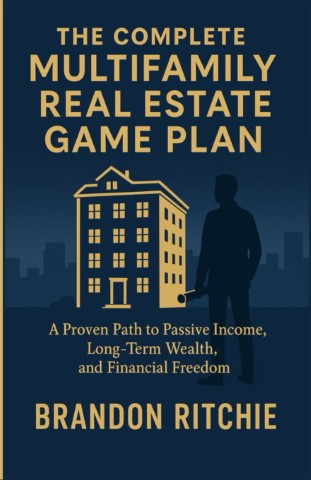
THE COMPLETE MULTIFAMILY REAL ESTATE INVESTING GAME PLAN: A Proven Path to Passive Income, Long-Term Wealth, And Financial Freedom Without Chasing Deals or Taking Big Risks
These are our handpicked books to help you level up in Real Estate.
View on Amazon
How to Cap Turnover Costs Before a Unit Goes Empty
A move-out week with no repair fund plan can turn a normal Friday into a week of small panic and expensive surprises.
Read More
The Smoke Alarm Check That Takes Less Time Than a Repair Call
A chirp from the hallway at 10 p.m. is a poor time to discover nobody knows the alarm's age. A small, dated record makes routine checks and follow-up easier for rental owners and tenants.
Read More