

A Tenant Screening Decision File That Keeps the Process Fair


A Tenant Screening Decision File That Keeps the Process Fair
Three applicants for one unit can turn your inbox into noise fast. A reliable screening decision file helps small landlords stay consistent, answer questions with confidence, and avoid later confusion about who qualified for the lease.
At 7:10 p.m. on a Tuesday, you open three missed notifications from the same unit. One applicant has sent a completed application and two attachments. One has only texted, asking if the apartment is still open. The third sent a copy of an old paycheck but forgot the pay stub for the current month. By the time you finally return to your desk, the thread is buried under two weekend messages and a maintenance request.
That is when most small landlords make a bad decision with good intentions. We trust memory. We think, I can remember that second person said they had a higher credit score, the first one sounded polite, and the third one sent something on Friday. Then the tenant calls two days later and asks, "Why not me?" and the memory is less clear than a spilled iced tea on your kitchen table. The decision might still be fair, but your explanation no longer sounds organized.
The problem is not being careless, it is having too many places to look.
Most small landlords keep screening details in at least four places: email, notes app, spreadsheet, and message history. None of those places are wrong, but each one tells half the story. The issue appears when a decision needs to be explained consistently. A tenant asks for details. You ask yourself if you logged the missing landlord reference letter. You search and search. You find a link, then another, and then your response sounds like guesswork.
A decision file solves this by giving every applicant the same packet format. You are not building bureaucracy. You are creating a shared path your future self can follow when the stress is high and the inbox is loud.
Keep five sections only, and keep it boring.
When a new application arrives, open one folder, even if it is in your browser and cloud drive today. Put these five sections in one place:
- Criteria snapshot. Keep your screening rules in one short list before any application starts. If pets, income, income sources, no-fault references, and lease history matter, list the exact rules once.
- Submission timeline. Record application date, follow-up date, and any missing document date. This makes it obvious which applicant is complete and which one is waiting.
- Screening checks. Save what each check confirms without dumping private details. Keep source, date, and raw result state. The goal is reproducibility, not drama.
- Communication log. Capture each outbound and inbound note in plain language. Your tenants should be able to read this history and see the same timeline you used.
- Decision reason and tie-breaker. Add one line explaining why this person received a final yes or no. Tie every reason to your published criteria, not to mood or gut.
Notice what is missing. There is no legal advice, no legalese, and no personality judgment in those five sections. There is method. Method is what protects your time. A method is also what helps you avoid saying something different to different applicants.
How to use the same method for every application
Start with an opening message. This helps even before you review credit scores, job history, or references. Send this to each applicant:
"Thanks for applying. I will review applications in this order: complete applications first, then income and reference checks, then final selection. You will hear a decision summary in one clean message. If any document is missing, I will tell you exactly what is needed."
That line is longer than one sentence, but it sets a neutral baseline. It says the rules are fixed, while still sounding human. You do not need to justify the final choice until you complete the final section.
What to write next, in the first twenty minutes
Once the inbox is open, spend twenty minutes on one job. Not the whole week, not the whole stack. Just enough to lock the structure.
- Move each applicant into the same order in your file.
- Mark incomplete items clearly, including the exact document still missing.
- Record each check date with one short note: done, pending, or failed.
- Draft one draft response text for every pending applicant before sending any final answer.
When you have done that, your follow-up messages become cleaner because you are not inventing from memory. You are referencing a single source of truth. If a tenant says, "I submitted all documents," your log tells you whether that claim matches your timeline.
A concrete fairness rule, not a legal lecture
Small landlords often ask, "What counts as fair?" The practical answer is simple: the same criteria, applied in the same order, with the same evidence threshold every time. If you require two months of references, every applicant gets that same request. If you require a minimum income ratio, each file should show the same check.
There are also practical limits on sensitive data. Treat consumer-report access as a process step, not a freeform note. Keep who saw the result, when they saw it, and why it matters. Do not copy unnecessary personal detail into general notes. That keeps your process cleaner and your records safer.
A tenant who receives a decline should be able to hear: "You did not meet the pre-set income and verification requirements for this application." That sentence sounds straightforward because your file lets you avoid improvisation.
Why this matters after the first yes
People do not dispute every decision because they dislike your system. They dispute because two messages felt inconsistent. Maybe one applicant got a fast answer and another got silence. Maybe one note used strict tone and another sounded apologetic. The file removes that gap by standardizing what is written, when it is written, and the order you share updates.
Think of your decision file as a short history with timestamps and outcomes. It is not about denying people quickly. It is about making each decision traceable, so you are not guessing your own standards under pressure.
Use this short routine for the next three applications
If your unit gets three active applications, use this routine this week:
Day 1: finalize your criteria and open a fresh decision file for each applicant.
Day 2: complete screening checks for all complete applications, then send one status update to each applicant.
Day 3: publish final decisions, write one reason for each outcome, and close the file with a consistent message.
Each step should produce one short paragraph in your history. If you do this for every vacancy, the process becomes boring. And boring is good here.
Where to place this in your workflow today
Use one folder and one naming style for all properties. Add the application week date, property name, and applicant label to avoid collisions. Save the file where you already keep repair notes and lease follow-ups so your team is not hunting through new systems.
If your day is split between multiple units, your decision file can still stay small. You can keep one section per unit and one decision file per vacancy. That keeps the folder light and reviewable.
Try this in the next tenant turn
If your process still feels heavy, simplify to one habit: one source of truth before 10:00 p.m. each night. Log who is in, who is missing, and who got what response. By the time the next morning starts, your file already has structure, and your tenant conversations stay calm.
To keep maintenance, communication, and screening details in one place, you can download PropertySea and connect this exact screening routine into a cleaner workflow.
Landlord work is rarely dramatic on paper. It is mostly repetition with interruptions. A decision file turns those interruptions into repeatable steps, and it gives your next tenant update a straightforward, fair voice.
If you want to put the idea into a real rental workflow, you can download PropertySea and try it with your own process.
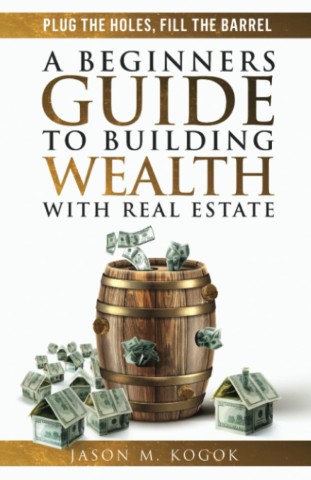
Plug the Holes, Fill the Barrel: A Beginners Guide to Building Wealth with Real Estate
These are our handpicked books to help you level up in Real Estate.
View on Amazon
Turn Your Rental Into a Short-Term Side Hustle Without Going Full Airbnb
You don't need to turn your unit into a hotel to profit from short-term demand. Here's the hybrid model that works for small landlords.
Read More
How To Stage Your Rental For MAX Profit 💰 (Without Hiring Expensive Designers!)
Want to charge more rent and rent faster? Here's how to stage your rental like a pro, on a budget!
Read More