

AI in a small portfolio: use it as a workflow layer, not a replacement for judgment


AI in a small portfolio: use it as a workflow layer, not a replacement for judgment
There is a lot of hype around automation right now. It is easy to believe a smart tool can fix every repetitive task.
AI in a small portfolio: use it as a workflow layer, not a replacement for judgment
There is a lot of hype around automation right now. It is easy to believe a smart tool can fix every repetitive task. For a small landlord, the realistic question is different: where can automation save attention without removing your judgment?
The strongest answer is this: use automation for draft language, summaries, and routine reminders, but keep final decisions in your hands. You can still automate speed. You should not automate choices that depend on context, tone, and fairness.
A good start is rent follow-up. Draft a reminder, keep your core template fixed, and review before sending. This cuts repeat work without changing the landlord's voice. You can still make the call personal because each message can be edited for tone.
Next is maintenance intake. Automation can extract keywords, suggest a category, and propose the next contact. This helps, but the final triage still belongs to the owner. Someone has to decide if a request is emergency or routine, and that decision should stay accountable.
Use automation for monthly reporting too. A generated note that summarizes late balances and open jobs is useful, especially if it is reviewed quickly. If the note is not reviewed, it becomes noise. If it is reviewed, it becomes a planning shortcut.
The guardrail is a clear pause point. Before any automated message is sent, require a check field with date, channel, and tone. If that check is missing, the draft stays in draft mode. This one rule prevents accidental outsized consequences from a smart draft.
There are places where automation should not lead. Never automate legal notices without human approval. Never automate hardship conversations without a human read. Never automate escalations. These are relationship-heavy moments where nuance matters, and nuance still comes from people.
You can evaluate whether automation is helping with three quick measures. First, does response time improve? Second, do repeat questions decline? Third, do escalations become clearer and less frequent? If the answer is mostly yes, you are on the right path. If mostly no, simplify.
People sometimes worry this means they are not modern. In practice, disciplined automation is opposite of old school chaos. It is old school with cleaner habits. If your process is better documented and more consistent, tenants see calm service even when the owner is small in size.
If you use PropertySea, define each automation step directly in your existing flow and keep a final approval check. That keeps you compliant, keeps your communication style intact, and keeps the portfolio scalable without becoming impersonal.
The biggest benefit is not fewer messages. It is better decisions at a lower cognitive load. A small portfolio with calm automation becomes much easier to run because you can spend more attention on the people who matter: the ones keeping your units occupied and paid.
Try a one-week pilot before widening automation. Pick one process only, such as maintenance summaries. Measure time saved, response speed, and follow-up quality. If those three improve, expand. If they do not, cut the automation and keep your human draft process intact. The point is control, not experimentation theater.
When using draft suggestions, check for tone drift. A small tone shift can look formal or mechanical to tenants. Simple manual edits are often enough. You keep your brand voice if you review each outgoing message for warmth and brevity. Brand voice is part of collections and retention.
For escalation messages, automation should never generate final notice text without human finalization. Even with accurate templates, context changes quickly. Keep a mandatory review and a timestamped approval. If a case is emotionally charged, route it through the same human checkpoint and never bypass.
Teams that over-automate often forget exceptions. A hard example is repeated late fees in a week with one broken employer payroll cycle. The right move is not one-size-fits-all automation; it is a practical exception path. That path should be visible and simple to follow.
Another useful boundary is geography and process scope. Use automation consistently in routine follow-ups and reserve judgment for legal and risk messages. That boundary reduces compliance risk and keeps outcomes stable when templates change faster than your legal context.
Over time, owners who use automation wisely report a surprising side effect: they feel more available, not less. Because they are not retyping routine text, they can focus on difficult calls that build trust. Trust remains the main currency in landlord operations.
If your workflow is in PropertySea, set up a weekly review where you scan generated drafts for false positives and wording misses. The audit is short and prevents your process from quietly drifting away from your own rules.
Stability in rental operations comes from repetition in the right places and flexibility in the right places. This rhythm gives you the structure to stay consistent while still handling each tenant and each unit with care.
Use the closing check from the top of your workflow: clarity, consistency, and kindness. If a communication plan is clear and repeated, the portfolio stays calmer under pressure and you keep more options open for growth.
The owner advantage in small operations is still judgment. Automation should support that judgment, not erase it. A small portfolio with calm controls and thoughtful review can run smoother than a larger operation that is too busy to see context.
Use the closing check from the top of your workflow: clarity, consistency, and kindness. If a communication plan is clear and repeated, the portfolio stays calmer under pressure and you keep more options open for growth.
The owner advantage in small operations is still judgment. Automation should support that judgment, not erase it. A small portfolio with calm controls and thoughtful review can run smoother than a larger operation that is too busy to see context.
Use a quick end-of-week review on generated drafts. If one assistant suggestion is repeated, remove it from the draft and write your own version. The goal is not to reject automation. The goal is to keep your workflow honest, human, and fast where it matters.
If you want to put the idea into a real rental workflow, you can download PropertySea and try it with your own process.
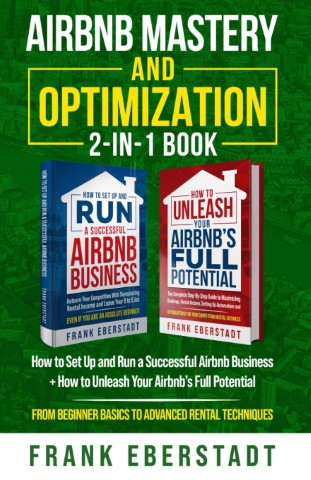
Airbnb Mastery and Optimization 2-In-1 Book: How to Set up and Run a Successful Airbnb Business + How to Unleash Your Airbnb's Full Potential
These are our handpicked books to help you level up in Real Estate.
View on Amazon
Tenant Screening Like A Millionaire Landlord: Systems, Not Gut Feelings
Great tenants are half of your wealth-building equation. Here's how seasoned owners pick them using clear criteria and systems, not vibes and hope.
Read More
How to Prevent Rent Delinquency Before It Happens
Chasing rent is stressful. Here's how smart landlords reduce late payments before they ever occur, without damaging relationships.
Read More