

A 10-day repayment calendar for late rent that protects cash flow and relationships


A 10-day repayment calendar for late rent that protects cash flow and relationships
Late rent is easier to solve when you switch from panic messages to a clear 10-day plan. This workflow gives small landlords a practical repayment routine that keeps notes, dates, and tone in one place.
On a Wednesday morning, Maya opened her laptop and saw the same tenant name in red in her rent tracker. It was not the first time, and it was not a surprise that the usual apology text felt less like a fix and more like a repeat loop. She had three open units, two repair calls, and enough small tasks that she needed a system she could trust, not another emotional thread. That is where a repayment calendar helps: it gives the conversation a timeline, and it gives both sides a way to move forward without guessing every day.
Late rent usually becomes messy not because people are bad actors, but because timing expectations are fuzzy. One landlord asks for full payment next Monday, the next email asks for a payment plan, then a text arrives asking for 30 days. Everyone has a different clock, and everyone is under stress. The goal is to reduce that stress by picking one clock and sharing it openly. Your tenant can still ask for help, but the structure has to be stable before the amount is discussed.
The point of a 10-day repayment calendar
The idea is simple. You give the tenant a short window to propose, confirm, and execute a plan in stages. That window is long enough to find money, but short enough that the lease terms do not drift into guesswork. Think of it as a ten-day bridge, not a rescue tunnel for endless delay.
Most breakdowns in late-rent communication happen in one of three places:
- too much emotion in the first message, too little detail in the follow-up
- no written record of what was promised
- changing payment dates without telling the other side
When you fix those three points, the legal risk drops, the relationship stays clearer, and your next step is easier, whether the tenant pays all of it or only part.
Use this 10-day routine
Days 1 and 2: Acknowledge, set a short deadline, and ask for options. You are not scolding yet. You are asking for a concrete reply. A short message such as, "I see your rent is overdue. Tell me by tomorrow 6 p.m. whether you can pay total due, a partial amount, or a staged plan. I can then confirm our written plan." is better than a long moral lecture. It gives the person one action and one date.
Days 3 to 5: Confirm the repayment method and dates. If they can pay partial amounts, lock in dates and amounts in writing. The moment an amount is set, it becomes a milestone. Keep it simple: total due, first payment date, second payment date, and the consequence if either misses. Every plan should have a review day and a backup if they hit a second miss.
Days 6 to 10: Run one short check-in and keep a final decision point. On day 6, send a short reminder, not a long argument. On day 10, either confirm fulfillment, or record that it failed and hand off to your next action. The point is that day 10 is the close of the routine, not day 25.
What a practical opening message can look like
You do not need legal language to sound professional. You need clarity. Try this template and adapt numbers:
"I am documenting a 10-day repayment routine for your late rent. If we confirm it in writing, I can hold the late payment in a single account line and avoid late-penalty escalation. Please reply with one of these options: full amount by [date], or first payment [amount] by [date], then [amount] by [date]."
That one paragraph does five things. It says you are documenting. It says no extra penalty is automatic yet. It gives options. It gives a final structure. And it avoids language that can sound like a threat, while still protecting your terms.
Now this is not a magic phrase that fits every building. It just keeps the process boring in a good way. In landlording, boring can be the highest form of professionalism.
Use a shared calendar rhythm, not scattered reminders
In small portfolios, people often create one note in a text thread, then another in a bank app, then another in a spreadsheet. The result is chaos. A 10-day model works if every date is copied to one place you trust, even if that place is plain paper.
What to record:
- The exact amount and due date of each payment
- Who sent each message and when
- Any partial payment confirmations and method
- Any condition changes, such as temporary reduced deposits or repaired unit exceptions
Even if you are currently using your phone notes, put the same fields in the same order each week. The order matters more than the software. A clean order lowers mistakes when the tenant asks, What did we agree to again?
How to stay legal-safe without sounding like legalese
Your goal is to be neutral and specific. Neutral language lowers escalation risk, and specific language gives the record value. If a plan is missed, do not add language like you have no choice now
. That sentence can turn a payment dispute into extra tension. Instead, document the miss and keep your next step explicit.
For example, if day 5 passes and day 6 is the check-in day, you can reply: Thank you for the update. The plan we confirmed on [date] still applies, with the next payment due [date]. If that date is missed again, I will move to a formal late-rent handling step and send final written terms.
Simple language protects tone and keeps the record cleaner. Keep every message tied to one date and one amount. If a tenant asks for forgiveness of past late fees, decide that once and write it once. Do not repeat it in every message.
How to handle the tenant who is trying but still short
Some tenants are not avoiding payment, they are trying in pieces. The system should account for that without collapsing. If Maya receives $250 on day 4 and $250 on day 8, she can log both as partial fulfillment and adjust the remaining amount. The key is to avoid moving the goalpost.
A fair adjustment could be: keep the calendar dates, reduce interest terms per your policy, and shift the last step only if the next payment is delayed once. The moment you change the structure every day, you create uncertainty and resentment. The point is not to punish, it is to remove uncertainty for both parties.
When money is not the only issue
Sometimes a late-rent case hides another issue, like a maintenance repair claim or a family emergency. You can still keep the 10-day framework, but you need one extra column in your plan: what changed and what did not. If a repair is pending, note it clearly, but do not let it become a substitute for the rent timeline.
Here is a short rule of thumb we use in small-owner operations:
- Rent timeline has one anchor date and one late marker.
- Maintenance obligations have separate notes and separate deadlines.
- Both can be discussed, but one does not erase the other.
This keeps your records honest, and it also protects your reputation. Tenants who are stretched can still feel respected when they see your process is clear, not arbitrary.
Close the routine with one clean summary
At the end of day 10, send a short recap. It should include total paid, total outstanding, and the final date. If the plan succeeded, congratulate quickly and archive the thread with a note: balance cleared, case closed.
If it did not, move to your normal escalation route and keep the old recap in the same note. A closeout summary is the difference between a solved issue and a recurring argument.
Small landlords often carry their work in their heads, and then complain that tenants are unpredictable. The predictable part is often their own process, not the market. A 10-day repayment calendar gives you a map that is easy to repeat, easy to explain, and easy to defend when needed. It also makes your follow-up less personal, and that is exactly why it works better. You are no longer negotiating with panic, you are executing a routine.
If you want to reduce the friction in this process and keep rent notes, payment notes, and message templates in one workflow, you can download PropertySea and run this with less manual drift.
Remember, your system is strongest when it is boring. The best repayment plan is the one that your future self can trust at 7:10 on a Wednesday morning.
Direct URL: https://propertysea.app/download
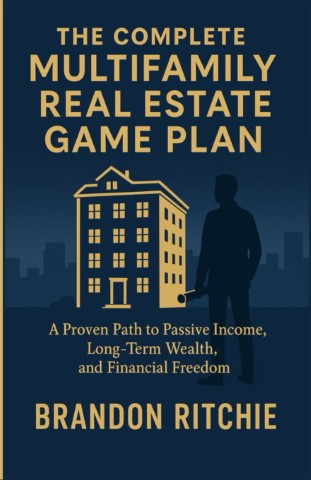
THE COMPLETE MULTIFAMILY REAL ESTATE INVESTING GAME PLAN: A Proven Path to Passive Income, Long-Term Wealth, And Financial Freedom Without Chasing Deals or Taking Big Risks
These are our handpicked books to help you level up in Real Estate.
View on Amazon
The Complete Guide to Tenant Retention (That Actually Works)
Losing a good tenant is expensive. Here's how to keep your best renters happy, loyal, and renewing year after year.
Read More
How to Keep Rent Collection Human-Focused While Letting AI Handle the Busywork
Picture this: it is the 18th of the month, your rent calendar looks like a battlefield, and one tenant is 10 days late.
Read More