

Late Rent Reminder Systems: A Calm Three-Stage Plan for Small Landlords

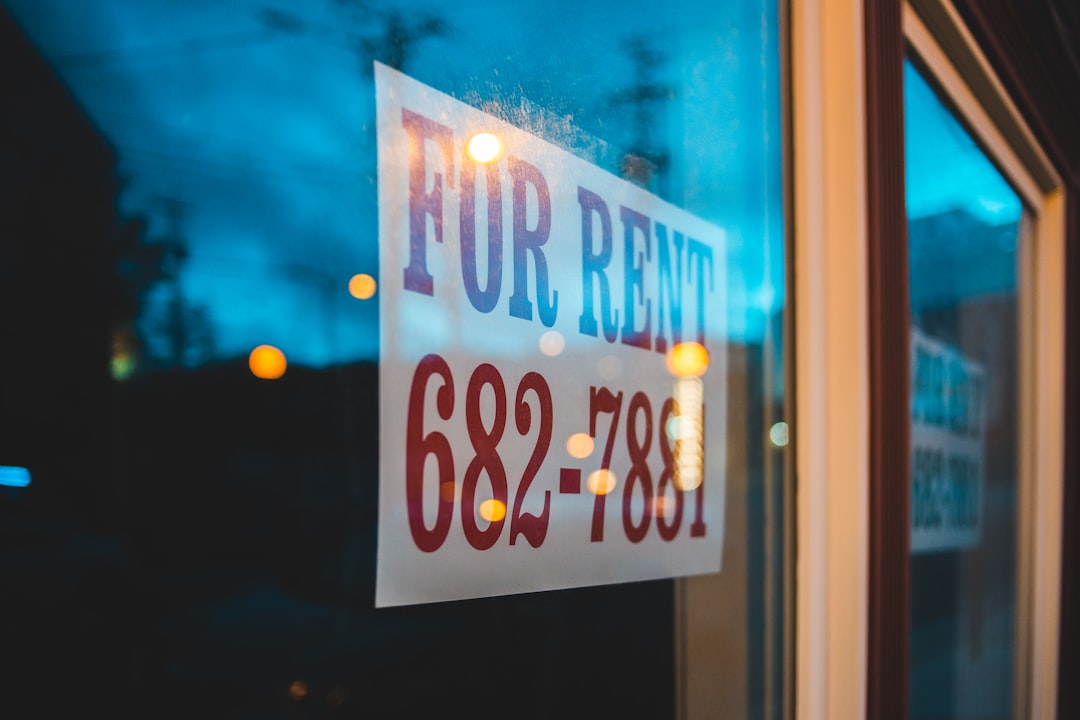
Late Rent Reminder Systems: A Calm Three-Stage Plan for Small Landlords
Late Rent Reminder Systems: A Calm Three-Stage Plan for Small Landlords. A practical, easy-to-follow plan for small landlords who want less admin and more predictable results.
Late Rent Reminder Systems: A Calm Three-Stage Plan for Small Landlords
Why reminders should sound human, not threatening
Most late payment stress starts before the money is late. A late payment is often a missed message, a bank delay, or a confusing process. Your reminder system should reduce confusion first, then escalate only if needed.
Think of your process like a thermostat. First comes a gentle nudge. Then a practical help option. Finally, a firmer notice that protects your cash flow.
Stage one: the day-before nudge
Send a short reminder before the due date. Keep it factual. Include payment method options and the due date. Avoid blame language.
Stage two: practical workaround
If payment is still missing by grace period end, send a second message with practical options. This is where tone matters most: clear payment options, ability to discuss a plan, and clear next step.
Stage three: written follow-through
Only if payment is still not made, move to a firmer stage. State what is missing, what deadline applies, and that future reminders will be more formal.
Keep proof and prevent memory pain
Store each message copy and timestamp in one tenant note history. If a conversation later gets tricky, you can review what was asked and offered without scrolling through old email chains.
- A clear payment due date in one place.
- Automatic stage labels: first nudge, follow-up, formal reminder.
- Tenant acknowledgment field.
PropertySea fit for the process
Track these three stages in PropertySea.app. PropertySea helps you centralize notes, overdue balances, and actions so the process is repeatable.
Final thoughts
A late rent plan is not about winning arguments. It is about creating repeatable steps so most tenants can pay calmly and on time.
Execution upgrade for this workflow
This is the part that turns a good idea into real movement. Choose one calendar day each week and keep this workflow visible. The same routine repeated weekly beats a perfect routine done once. Start with a 45-minute block and only two outcomes: close old items and log clear next actions.
Step by step system
- Write one short goal for this cycle, such as reduce late reminders or finish all move-in photos. One sentence is enough.
- Pick one place for all notes so you do not need three different apps to know where a task stands.
- Run a fast pre-check before any outreach. Missing files and missing dates usually cause most follow-up work.
- Send consistent messages with fixed fields like amount, due date, property, and owner.
- Review every open item at the same weekly hour. If you have no weekly review, your system becomes a folder of reminders.
- Use a simple scorecard at week end: response speed, unresolved issues, quality notes, and what helped this week.
- Close by writing three lines: what improved, what stalled, what changes next week.
Templates that are realistic
Keep templates short. Long templates get ignored, not trusted. A short template keeps your message clear even during a busy week. Good templates should sound human, never robotic.
Common process traps
Most teams, even one-person teams, get stuck in two traps: trying to fix everything at once and skipping updates because a day got busy. You do not need heroic edits. You need smaller loops repeated more often.
Quick quality check before you act
- Is this step needed this week or is it optional?
- Is there a clear owner and deadline?
- Will one record in one place show success or failure?
If two answers are no, cut the task before adding it. Tiny systems beat large systems with no ownership.
Monthly tune-up
At month end, compare this month to last month. If a step is always missing, simplify it. If a step is helping, keep it and write it down as the new default.
Humor tip: your rental business should be productive, not dramatic. If your inbox feels like a TV show, your process is the scriptwriter, not your plan. Clean up the process and the drama drops.
Ready to start next
Pick one file today, run this framework, and measure one number by next week. Improvement compounds quickly when the work is small and consistent.
Final tuning checkpoint
Great systems are like a pair of shoes: comfy after a few rounds, not just on day one. Run one extra short check before you close this topic.
- Confirm all key actions have one owner and one expected completion date.
- Confirm all tenant notes include a clear next step, not just a question mark.
- Confirm your records can be opened quickly by one person during a busy Friday afternoon.
If one of these is missing, shorten the process. If it is too short, no one can follow it on a stressful day. If it is too long, no one follows it at all. Pick a middle path and keep it.
Simple backup routine
At the end of the week, run a backup routine: export your key list, verify totals, and note one item to improve next week. Do not wait for a crisis to catch data gaps; catch them before the next cycle starts.
A little cleanup every week beats a big cleanup every quarter. That rule works for records, payments, and tenant support. Keep it in motion and it keeps your portfolio calm.
If you want to put the idea into a real rental workflow, you can download PropertySea and try it with your own process.

Airbnb Mastery and Optimization 2-In-1 Book: How to Set up and Run a Successful Airbnb Business + How to Unleash Your Airbnb's Full Potential
These are our handpicked books to help you level up in Real Estate.
View on Amazon
Navigating EV Charging Infrastructure in Rental Properties
Electric vehicles are everywhere. Here's how rental property owners can install EV charging and add value, without breaking compliance or budget.
Read More
How Landlords Can Leverage Machine Learning for Property Valuations
Automatic valuation is evolving. Learn how machine learning models (multimodal ones) are changing appraisal and how landlords can use them.
Read More