

The Secondary City Gold Rush: How Millionaire Landlords Hunt For Deals Outside The Hotspots


The Secondary City Gold Rush: How Millionaire Landlords Hunt For Deals Outside The Hotspots
Big-name cities are pricey and crowded. The real opportunity for many investors now? Strong, underrated secondary markets where the numbers still work.
The Secondary City Gold Rush: How Millionaire Landlords Hunt For Deals Outside The Hotspots
Everyone knows the usual headliners: the big coastal metros, the hyped-up boomtowns, the “top 10” lists that every blog copies from each other. They're loud, competitive, and often brutally expensive.
Meanwhile, a lot of multi-millionaire landlords are doing something much less flashy: quietly buying in secondary and tertiary cities—places with solid fundamentals, less competition, and prices that still make sense in a high-rate world.
If your local market feels impossible, this might be your path in. Let's break down how wealthy owners think about “smaller” cities, and how to use PropertySea.app to manage a portfolio that might not even be in your backyard.
1. What Makes A “Secondary” City Worth Your Time?
Not every smaller city is a good bet. Millionaire landlords look for a specific profile:
- Diverse employment: multiple industries or anchors (healthcare, education, logistics, government), not one single employer.
- Steady population: ideally slow growth, but at least not long-term decline.
- Real rental demand: a meaningful share of residents are renters, not just owners.
- Livability: basic amenities, acceptable schools, and a sense that people actually want to live there—not just have to.
They're not chasing the next viral “up-and-coming” hype; they're picking solid, boring cities where the math quietly works.
2. Price-To-Rent Ratios That Still Make Sense
The heart of the opportunity in secondary markets is often simple: price vs. rent.
In some headline cities, buying a median home to rent makes little sense—the mortgage dwarfs the rent. But in many smaller markets, you still see:
- Purchase prices that are reasonable multiples of annual rent.
- Room for cash flow even after conservative expense assumptions.
- Properties that pencil out with 20–25% down instead of requiring heroic leverage.
Run the numbers ruthlessly. If the ratio doesn't add up before you layer on optimism, move on. Once you own, use PropertySea to confirm whether your model matches reality over the first 12–24 months.
3. Neighborhood Selection: The Block Matters More Than The City
Even in a great city, there are rough pockets. Even in an average city, there are standout neighborhoods. Millionaire landlords zoom in on the block-level details:
- Street feel: safe, walkable, reasonably maintained?
- Mix of owners and renters: both extremes can be challenging; a healthy mix is often best.
- Proximity to employers, schools, transit, and basic shopping.
- Signs of improvement (or decline): renovations, new businesses, city projects.
They'd rather own the best rental on a stable, working-class street than a “cheap deal” in a block with chronic crime and vacancy.
4. Property Type Choices That Fit The Market
In secondary cities, different property types shine:
- Small multifamily (2–4 units): often under the radar of big investors, but more efficient than single-family for landlords.
- Starter single-family homes: for families who want yards but can't or don't want to buy.
- Modest, well-located apartments: not luxury, but clean, safe, and functional.
The millionaire mentality asks: “What does the average renter here actually want?” Then they buy that, not whatever social media says is trendy.
5. Managing From Afar Without Losing Control
Investing outside your local area introduces a big question: Who handles day-to-day management?
Multi-millionaire owners usually choose between:
- Local property managers: trade some profit for time and expertise.
- Hybrid models: local handyman + remote systems (for smaller portfolios).
Either way, they don't rely solely on “trust.” They rely on data.
With PropertySea.app, you can:
- Record rent received, regardless of who collects it.
- Log every expense with notes (who, what, why).
- Compare management performance across properties and cities.
That way you know if your remote team is performing—or if you need to make a change.
6. Risk Management: Don't Let Cheap Prices Trick You
Lower entry prices can be intoxicating. “I can buy a whole duplex there for what a condo costs here!” But millionaire landlords know that cheap can be expensive if:
- The local economy is weak or shrinking.
- Tenants are unstable and turnover is constant.
- Mandatory renovations (code, safety, deferred maintenance) eat your savings.
They protect themselves by:
- Visiting in person or working with trusted local partners.
- Budgeting aggressively for repairs and stabilization.
- Tracking every surprise expense in PropertySea so it informs future deals.
7. Building A Scalable Regional Strategy
Instead of buying one-off properties in ten random towns, veteran owners often:
- Pick 1–3 solid secondary markets.
- Learn them deeply (neighborhoods, laws, good vendors).
- Gradually add more units within those markets.
This concentration lets them negotiate better with contractors, understand tenant expectations, and make smarter decisions about buying, holding, or selling.
PropertySea becomes their control center: all properties in all cities live in the same system, so performance comparisons are easy instead of a spreadsheet nightmare.
Final Thoughts: The Big Money Isn't Always In The Big Cities
Owning rentals in famous markets may be good for your Instagram bio, but it doesn't guarantee a strong, stable portfolio. For many real-world investors, the best path to multi-millionaire status runs through normal, overlooked cities where people quietly live, work, and pay rent.
If you're willing to do the work—research, visit, build a team, and track your numbers inside PropertySea.app—secondary markets can give you what the headlines rarely do: deals where the math still makes sense, even when rates are high and hype has moved on.
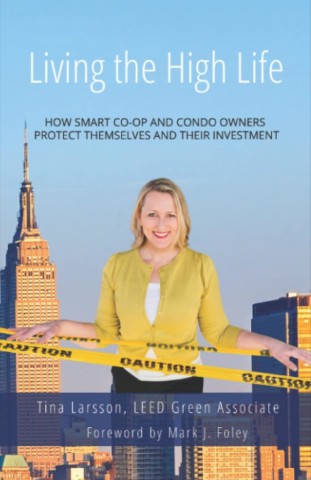
Living the High Life: How Smart Co-op and Condo Owners Protect Themselves and Their Investment
These are our handpicked books to help you level up in Real Estate.
View on Amazon
How To Turn Your Backyard Into A $2,000/Month CASH MACHINE (Without Building A Guest House!)
Think you need major construction to make big money from your backyard? Think again - here's the step-by-step guide to start earning NOW!
Read More
How To Collect Tenant Feedback That Actually Improves Your Rentals
Tenant feedback isn't just a courtesy - it's a secret weapon for retention. Here's how to ask better and act faster.
Read More