

Making Money With ADUs And Backyard Rentals: A Practical Guide For Owners

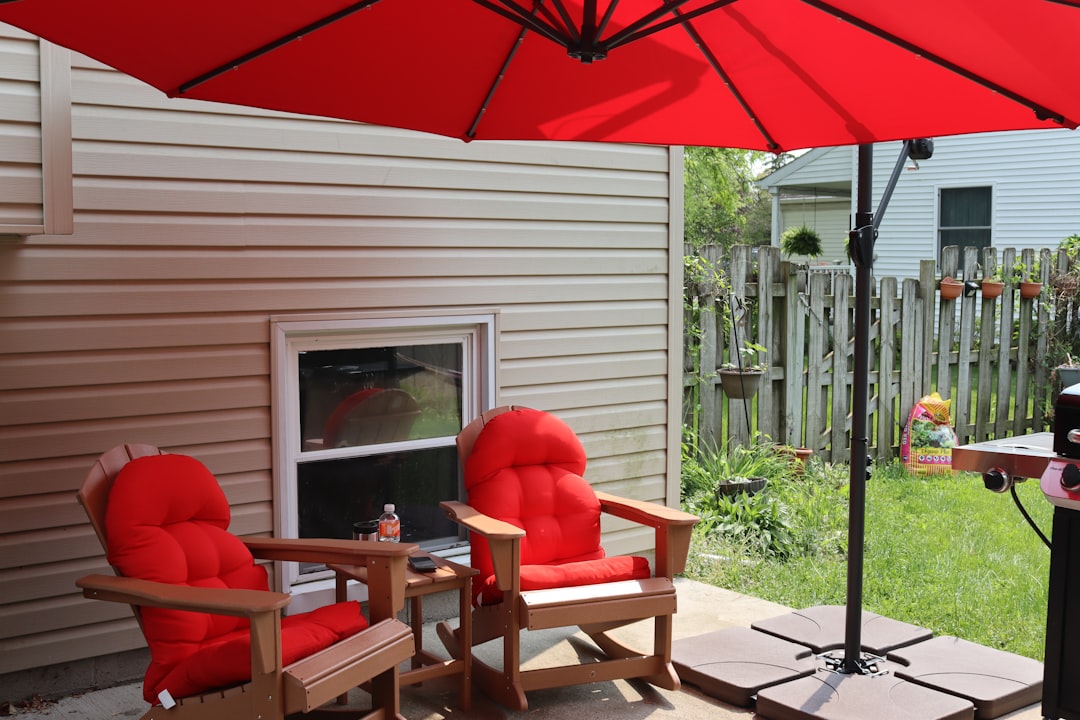
Making Money With ADUs And Backyard Rentals: A Practical Guide For Owners
Accessory dwelling units (ADUs), garage conversions, and backyard rentals are exploding in popularity. Here's how property owners can evaluate, build, and manage them like a real business.
Making Money With ADUs And Backyard Rentals: A Practical Guide For Owners
Accessory dwelling units (ADUs), garden suites, granny flats, laneway houses—whatever your city calls them, small secondary homes on existing lots are becoming one of the most interesting ways for owners to add rental income without buying a whole new property.
If you already own a house with a decent lot, or you're looking at properties with garages and big yards, an ADU could be your path to extra cash flow, multi-generational living, or future flexibility. But it's not as simple as “build a tiny house and get rich.”
This guide walks you through how to think about ADUs as a business decision—from feasibility and financing to tenant management and how to use PropertySea.app to keep the numbers straight.
1. What Exactly Is An ADU?
An accessory dwelling unit is a smaller, independent residential unit on the same lot as a main home. Common ADU types include:
- Detached backyard units: A small cottage or modular home behind the main house.
- Garage conversions: Turning a detached or attached garage into a legal living space.
- Basement suites: Finished lower levels with separate entrances, kitchens, and bathrooms.
- Over-garage units: Apartments built above existing garages.
In many areas, zoning changes have made ADUs easier to build—often to address housing shortages. That opens a window of opportunity for owners who are prepared and organized.
2. Check Feasibility Before You Fall In Love With The Idea
Before hiring architects or ordering a prefab unit, carefully check:
- Zoning rules: Does your lot allow ADUs or secondary suites? Are there size, height, or setback limits?
- Parking requirements: Some cities require extra off-street parking for additional units.
- Owner-occupancy rules: Certain areas only allow ADUs if you live on-site.
- Utility connections: Can you share existing lines, or will you need new connections and meters?
Talk to your local planning department or a knowledgeable designer/contractor. Getting clarity early prevents expensive redesigns later.
3. Run The Numbers Like An Investor, Not Just A Homeowner
Attractive ADU photos online can make every project look like a winner. Reality is more nuanced. Build a simple model that includes:
- Total project cost: design, permits, construction, utility work, and furniture if furnished.
- Expected monthly rent: Look at actual listings for similar studio/one-bed units in your area.
- Ongoing operating costs: insurance increases, utilities you cover, maintenance, property taxes, and management if you outsource.
- Financing costs: Will you use cash, a home equity loan, or another product?
Compare your expected net monthly income to your investment. Even a modest cash-on-cash return can be attractive if you're also boosting overall property value and flexibility.
4. Decide How You'll Rent The ADU: Long-Term, Mid-Term, Or Short-Term
ADUs are flexible—you can use them for family, long-term tenants, mid-term furnished stays, or short-term rentals (where allowed). Each option has tradeoffs:
- Long-term: Stable income, less turnover, fewer cleanings, but lower gross rent.
- Mid-term (1–6 months): Great for traveling professionals, relocations, or students. Higher rents but more turnovers.
- Short-term: Potentially highest income but also highest workload and regulatory risk.
Whatever you choose, your ADU is still a business. Once it's rented, you'll need systems for leases, rent collection, expenses, and communication—that's where PropertySea becomes your control center.
5. Managing Tenant Relationships When You Share A Lot
Living on the same property as your tenants can be a blessing or a headache. To keep things smooth:
- Set boundaries early: Quiet hours, parking rules, and shared space expectations should be in the lease.
- Use professional communication: Even if you see each other daily, handle rent, notices, and repairs in writing.
- Respect privacy: Tenants in an ADU should feel like they have their own home, not like guests in yours.
Use PropertySea to store lease terms, note agreements, and track any issues so everything stays documented and organized.
6. Track Income And Expenses By Unit, Not Just By Property
An ADU changes the economics of your property. Instead of one income stream, you now have two (or more) that share certain costs. To know if your ADU actually works financially:
- Track rent received from the main house and from the ADU separately.
- Log ADU-specific expenses (furnishings, repairs, separate utilities) as their own entries.
- Allocate shared costs (like landscaping) in a simple, consistent way across both units.
Within PropertySea.app, you can treat each rentable space as its own income source while still seeing the entire property's performance. That's crucial when you're deciding whether to add another ADU or repeat the strategy on a different lot.
7. Plan An Exit Strategy Before You Even Start
ADUs add flexibility, but they also add complexity. Ask yourself:
- Would I ever sell the property? If so, who is the likely buyer—an investor or an owner-occupier?
- Would I want the option to move family into the ADU in the future?
- Could I convert the ADU back to personal use if regulations change?
Document key details inside PropertySea—like build costs and completion dates—so you have a clear story for appraisers, buyers, or lenders when the time comes.
Final Thoughts
Backyard rentals and ADUs can turn unused space into meaningful income, especially in markets where buying new properties is expensive. But they only work long-term if you treat them like part of a real rental business, not just a cool side project.
As soon as your ADU is ready for tenants, set it up inside PropertySea: create the unit, add tenants, connect rent and expenses, and let the app give you a clear picture of how this little building is performing. Over time, that data will guide whether to build more, refinance, or simply enjoy the extra cash flow your backyard is now generating.
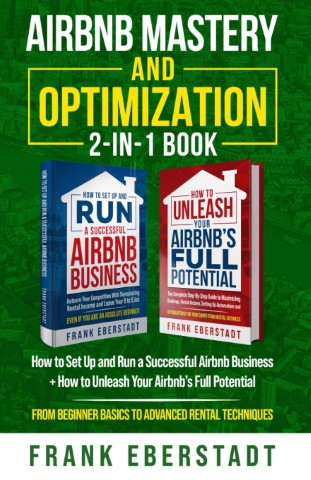
Airbnb Mastery and Optimization 2-In-1 Book: How to Set up and Run a Successful Airbnb Business + How to Unleash Your Airbnb's Full Potential
These are our handpicked books to help you level up in Real Estate.
View on Amazon
3 Mortgage Hacks Smart Landlords Are Using in 2025
Rates are high - but that doesn't mean you're stuck. These creative mortgage moves are helping landlords stay profitable.
Read More
Boost Your Rental's Curb Appeal FAST - Look Like a $Million Dollar$ Property (Even On a Budget)
First impressions rent properties. Here's how to upgrade your rental's curb appeal like a pro - without emptying your wallet!
Read More