

Playing The Long Game: How Millionaire Landlords Survive Crashes, Booms, And Everything In Between

Playing The Long Game: How Millionaire Landlords Survive Crashes, Booms, And Everything In Between
Markets rise and fall. Interest rates swing. Regulations change. Here's how wealthy rental owners structure their strategy so they're still standing (and thriving) 20 years from now.
Playing The Long Game: How Millionaire Landlords Survive Crashes, Booms, And Everything In Between
Everyone looks like a genius in a boom. Values climb, rents rise, and even sloppy decisions can be covered up by a roaring market. The real test of a landlord isn't how they look when everything is going up—it's how they behave when things turn.
If you plan to own rentals for decades, you will live through multiple cycles:
- Cheap money and bidding wars.
- High interest rates and slow sales.
- Regulatory changes that shake entire strategies.
- Local shifts as neighborhoods rise or fade.
Millionaire landlords are not magicians. They simply build portfolios and habits that can survive storms and harvest opportunities when others are panicking. Let's unpack how they do it—and where a disciplined tracking tool like PropertySea.app fits in.
Principle 1: Cash Flow First, Appreciation Second
The most fragile portfolios are built on the assumption that values will always go up. When prices stall or fall, those owners are exposed.
Millionaire landlords flip the script:
- They buy with conservative assumptions about future values.
- They focus on solid, sustainable cash flow that can carry the property even if the market cools.
- They treat appreciation as a bonus, not the only reason the deal works.
To do that, you need honest numbers. PropertySea lets you see, property by property, what you actually clear each month after expenses—not just what you hope you're making.
Principle 2: Boring Financing Beats Clever Financing Over Time
During booms, flashy financing structures show up: exotic loans, ultra-leveraged plays, interest-only deals that work perfectly… as long as nothing changes.
Wealthy landlords prefer boring things like:
- Fixed-rate or reasonably predictable loans.
- Debt levels that still cash flow if rents soften a bit.
- Enough reserves that a few unexpected repairs don't force a fire sale.
That doesn't mean they never use creative financing. It means they deploy it with clear downside planning, not because everyone on social media is doing it.
Principle 3: Reserves Are Not Optional
Ask any experienced landlord about a time things went sideways: multiple vacancies, a big roof leak, a furnace dying right after a major repair elsewhere. It happens.
The difference between a panic and an inconvenience is reserves.
Millionaire landlords typically:
- Keep a set amount per property in cash or available credit.
- Build reserves into their mental math, not as an afterthought.
- Use good times (fully occupied, few repairs) to strengthen their cash buffer.
PropertySea helps by making your expenses visible. When you see clearly how often big repairs hit, you stop treating them as surprises and start planning for them.
Principle 4: Diversify Smarter, Not Just Wider
Diversification doesn't mean buying whatever you see in every zip code. Millionaire landlords diversify across:
- Property types: some single-family, some small multifamily, maybe a small commercial or mixed-use if it fits their plan.
- Locations: not all units in one fragile town, but also not scattered so wide they can't manage them.
- Tenant bases: a mix of families, professionals, students, maybe a mid-term rental or two.
The goal is that a shock to one part of the portfolio doesn't sink the whole ship. PropertySea's portfolio view lets you see, at a glance, how much income each category or area is contributing—and where your risk might be concentrated.
Principle 5: Adapt Strategy Without Abandoning Discipline
Markets change. What worked five years ago might be less attractive today. Wealthy landlords adapt—but they don't chase every trend.
Examples of strategic shifts:
- Switching some properties from short-term to mid-term when regulations tighten.
- Converting underperforming long-term rentals into co-living or student housing where appropriate and legal.
- Selling a property that consistently underperforms and reinvesting into a more stable asset.
The common denominator? They make these decisions based on actual performance data, not vibes. PropertySea gives you that data: multi-year histories of rent, repairs, and vacancy per property.
Principle 6: Tenant Relationships As A Stability Engine
During tough times, loyal, long-term tenants are worth their weight in gold. Wealthy landlords know this and treat tenant satisfaction as risk management, not charity.
They focus on:
- Reasonable response times to maintenance, especially health and safety issues.
- Clear, respectful communication about changes (like rent adjustments).
- Creating homes tenants can imagine staying in for years, not months.
Stable tenants mean fewer turnovers, fewer make-readies, and more predictable income. PropertySea helps you see who your long-term, on-time payers are, so you know where it's worth investing extra consideration.
Principle 7: Data, Not Drama, Drives Decisions In Crises
When markets wobble, the loudest voices are often the most emotional. Millionaire landlords mute the noise and look at their own numbers:
They ask questions like:
- Are my tenants still paying reliably, or is there a real pattern of decline?
- Which properties are most sensitive to vacancies or rate hikes?
- What do my last 12–24 months of income and expenses actually show?
Because they've been tracking everything in PropertySea, they're not scrambling to reconstruct history when they most need clarity. They already have it.
Principle 8: Selling Is A Tool, Not A Failure
Not every property deserves to stay in your portfolio forever. Wealthy landlords are willing to sell when a property:
- Consistently underperforms, even after reasonable attempts to improve it.
- Has appreciated so much that the equity could work harder elsewhere.
- No longer fits their life or risk profile (for example, too far away or too management-intensive).
They don't cling to every asset out of ego. They let the data—income, expenses, headaches—inform which properties to keep and which to trade up from.
Principle 9: Long-Term Thinking Shows Up In Small Daily Choices
Playing the long game isn't just about surviving a crash ten years from now. It's about the micro-decisions you make this month:
- Doing the slightly more expensive repair that actually solves the problem instead of patching it three times.
- Choosing durable materials during turnovers instead of the cheapest options.
- Raising rent gradually and fairly instead of letting it lag for years and then shocking tenants.
Those choices don't make headlines, but over 10–20 years, they mean fewer disasters, happier tenants, and stronger cash flow. PropertySea's history of expenses and income lets you see the compounding effect of doing things right.
Principle 10: Think In Decades, Execute In Months
Millionaire landlords hold a paradox in their heads:
- Decade-level vision: Where do I want my portfolio and life to be 10–20 years from now?
- Quarter-level execution: What can I realistically improve in the next 3–6 months?
You might decide that in 20 years you want a paid-off small apartment building generating steady income. That's the destination. Then you use tools like PropertySea to manage the journey:
- Improving one property's cash flow this year.
- Fixing chronic maintenance drains.
- Refinancing or reorganizing debt when it makes sense.
How To Start Playing The Long Game Today
You don't need a huge portfolio to think like a long-term, multi-millionaire landlord. You just need to:
- Face your numbers honestly. Put every property, tenant, rent payment, and expense into a single system like PropertySea. Stop guessing.
- Strengthen your weakest link. Look at your data and ask, "Which property or issue is most likely to hurt me in a downturn?" Start fixing that now.
- Build your reserves slowly but relentlessly. Even small monthly contributions add up over years.
- Commit to learning from your own portfolio. Every year, review what worked, what didn't, and adjust.
Final Thoughts: Calm Wins Over Time
In every cycle, there will be people shouting that real estate is dead or that it will never fall. The truth is always in the middle—and the people who quietly build wealth are the ones who stay calm, stay informed, and stay disciplined.
If you want to be one of them, start acting like the landlord you want to be 20 years from now. Track your numbers. Protect your downside. Treat your tenants fairly. Make boring, smart decisions again and again.
And use tools like PropertySea.app to make that discipline easier. The app won't make you rich on its own—but it will give you the clarity and control that long-term, multi-millionaire landlords quietly rely on while everyone else is busy reacting to the latest headline.
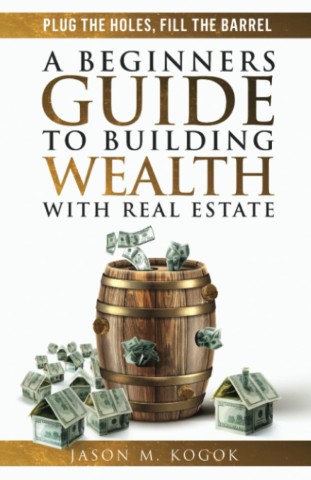
Plug the Holes, Fill the Barrel: A Beginners Guide to Building Wealth with Real Estate
These are our handpicked books to help you level up in Real Estate.
View on Amazon
What Every Landlord Should Track Before Tax Season
Tax season anxiety is mostly a record chaos problem, not a money problem. If your data is clean, prep becomes a planned task instead of a scramble.
Read More
How to Handle Maintenance Requests Like a Pro (and Keep Tenants Happy)
Stay ahead of costly repairs and boost tenant satisfaction with a simple, efficient maintenance system.
Read More