

What to Track When You Own More Than One Rental

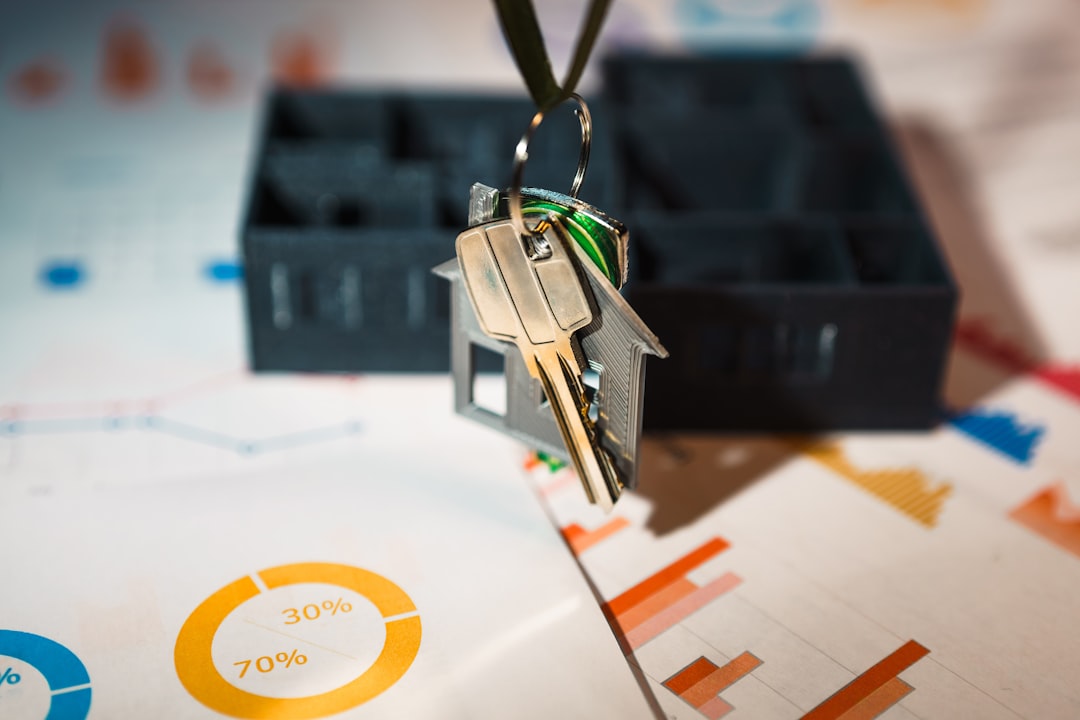
What to Track When You Own More Than One Rental
Simple scale-ready tracking for growing landlords: performance by unit, cash health, maintenance load, and occupancy, so growth stays controlled.
What to Track When You Own More Than One Rental
Owning one rental is a part-time system. Owning three can already feel full-time. The shift happens quietly and quickly, which is why tracking must also scale before you feel the pain.
If you add units without adding structure, your admin time grows faster than rent income. A few key metrics can keep growth intentional.
Track by unit, not just totals
Keep these per-unit metrics:
- Occupancy days
- Rent collectability
- Maintenance spend vs. budget
- Tenant turnover frequency
- Net monthly income after direct costs
Total portfolio numbers look good at first glance, but unit-level numbers reveal where attention is needed.
Use simple scorecards by property type
Rate each property in three lines:
- Cash stability
- Maintenance intensity
- Tenant communication health
This creates a quick view of where your time is really going.
Measure growth by readiness, not only rent
Before buying or adding another property, ask:
- Can I monitor this unit as well as existing ones?
- Do I have a reliable maintenance contact flow?
- Can I keep records updated weekly?
If not, growth can become accidental stress.
Set portfolio rules
Write 3 rules and follow them:
- Max open maintenance items per unit
- Minimum cash reserve days
- Response time standard
Rules keep the system from becoming reactive.
Use PropertySea for scale
With more units, shared workflow becomes critical. Track rent, notes, expenses, and maintenance in one place so your head does not need to be a second database. PropertySea.app keeps growing portfolios manageable.
Growth is easier when each unit stays organized, not when your process gets busier without boundaries.
Seven-day follow-up playbook
Before you move to another task, test this post in one week with a simple loop. Day 1 is setup, day 2 is review, and days 3 to 7 are execution. You are not building a new system from scratch. You are just checking one flow under real use.
On day 1, write down your current baseline in one line. Keep the line short and honest. Example: one missing notice system, no central notes, one manual copy paste flow. This gives you a fair starting point. Day 2, set a reminder to do one action exactly as the post recommends. Do not redesign everything that week. One action is enough to test if the process is stronger.
Day 3, collect one real example. Use one tenant, one maintenance request, or one unit only. If the example works, you know where to scale. If the example stalls, simplify. Most owners make the same mistake of expanding before they test.
Day 4 is the consistency day. Keep the same format for every note or message. The speed comes from repetition, not from writing a perfect sentence every time. Use short phrases first, then add details only where needed.
Day 5, run a quick review with this rule: if you still need another tool to remember what happened, your process is not yet stable. That does not mean stop. It means reduce one step, not add another step.
Day 6 is for cleanup. Archive old notes, fix naming, and delete duplicate alerts. This small housecleaning makes later reporting less frustrating. A clean system gives your future self a calmer workflow and saves future search time.
Day 7, check your outcome with three numbers: time saved, number of repeat questions dropped, and whether anyone had to ask the same thing twice. If two of three improved, the change is worth keeping.
Simple quality habits worth repeating
- Use the same wording style every time you send reminders.
- Record one date and one note for each tenant communication.
- Set a weekly reset time and treat it as non-negotiable.
- Keep one owner view that shows only action items, not noise.
- When something breaks, write the root cause in one sentence.
- Review recurring costs before they become a surprise.
- Use your records for teaching first, and not just collecting data.
Most owners think workflows need more apps. They usually need fewer moving parts and clearer habits. A clean system is like a clean kitchen: nobody says it is fun to scrub every day, but everyone appreciates the outcome when guests walk in.
If you are already using PropertySea.app, map this week plan into your records and check it with real data. If not, the same seven-day loop still works in notes or a simple sheet, as long as the rules stay strict and simple.
Template lines you can reuse this week
Here are practical lines you can reuse or adapt. They are not perfect copy and they are not legal text, but they are a useful start:
- Tenant reminder: rent due date, amount, and next step in one line.
- Maintenance intake: issue, location, priority, and entry date.
- Turnover start: photos completed, cleaning started, first repair request logged.
- Renewal check: history reviewed, options set, and decision date chosen.
- Expense entry: category, reason, amount, and receipt link saved.
You do not need to sound like a robot. You just need to sound consistent. If a tenant can read your message once and understand it, you are already ahead.
Owner tone rule at work
Use human language with practical detail. Avoid threats and avoid vague promises. This keeps trust from cooling in odd directions. A simple tone can still be warm. A warm tone can still be firm. That is your superpower as a small landlord.
When work piles up, pick three tasks and stop. Finish those three before adding a fourth. This simple rule keeps you from working all day with no clear finish.
One final point: systems are not about impressing your friends. Systems are about reducing repeat stress and making your income more stable. If your method is plain and repeatable, you will sleep a little better.
If you want to put the idea into a real rental workflow, you can download PropertySea and try it with your own process.

Profitable Properties: Airbnb Insider Secrets to Find, Optimize, Price, & Book Direct any Short-Term Rental Investment for Year-Round Occupancy
These are our handpicked books to help you level up in Real Estate.
View on Amazon
How to Keep Your Property Occupied Year-Round (Even in Slow Seasons)
Vacancies kill cash flow. These landlord-tested strategies will help you avoid empty units and keep rental income steady.
Read More
How to Prepare Your Rental Asset for Cost Inflation and Rising Expenses
Costs are rising, maintenance, materials, labor. Here's how savvy landlords protect margins and keep cash flow healthy in inflationary times.
Read More