

AI-first or AI-assist: what small landlords can automate right now

AI-first or AI-assist: what small landlords can automate right now
When I sat down with a friend who manages six rental units, he told me his favorite phrase: "If I am not in panic mode this month, it means I am underestimating how many things can still go wrong." His calendar had rent...
AI-first or AI-assist: what small landlords can automate right now
When I sat down with a friend who manages six rental units, he told me his favorite phrase: "If I am not in panic mode this month, it means I am underestimating how many things can still go wrong." His calendar had rent reminders, maintenance follow-ups, lease renewal notes, and repair invoices packed into every corner. He is not lazy and not disorganized. He is just operating with the same playbook he used ten years ago: a lot of good intentions and a lot of sticky notes.
The world around him changed in 2026. Vacancy pressure is softer in many metros, tenant options are wider, and renters expect faster replies. That is not a reason to replace your landlord brain with software. It is a reason to give software your landlord brain its best assistant. AI and automation are useful when they remove repetitive work but still leave you in control of relationship, tone, and final judgment.
Think of automation as a friendly sidekick, not a robot manager. A sidekick does three things very well: it remembers details, it follows patterns, and it reduces the number of times you repeat the same message at 11 p.m. It is excellent at making life quieter. It is not excellent at reading a family emergency text from a tenant and deciding alone whether to forgive a late fee.
Start with a 4-part map, not a full rewrite
Most people get the order wrong. They buy the fanciest tool first, then try to force all their routines into it. Better to map the routines first and only then add the layer that fits. For a small landlord, this is usually the sweet spot:
- Money in: rent reminders, payment follow-up, and reconciliation notes.
- People in and out: move-in / move-out checklist prompts, notices, and tenant messages.
- Repair flow: request intake, status updates, and vendor tracking.
- Records in: expense tagging, payment logs, and monthly summary snippets.
Do this for one week first. If a task is repeated at least three times a day, it is automation-ready. If it happens once a month, keep it human for now and document a better manual process instead of rushing into software.
A practical AI-assisted rent routine for this quarter
Rent collection is where most small owners feel the pressure first, especially as renters have more options and more reasons to compare experiences. A practical setup looks like this:
- Use one polite, branded message template for each stage: pre-due reminder, first reminder, and support offer. Keep the tone calm and practical.
- Turn on an AI draft assistant for message drafts, then review each message before sending. This keeps tone consistent and saves typing.
- Tag every payment and late payment with a simple reason code such as late, partial, failed transfer, or dispute.
- Schedule a weekly reconciliation block and let your AI summary tool produce a plain-English note: "Paid this week: X units; delayed: Y units; unresolved: Z cases."
This sounds like a lot of tech for a small operation. It is not. It is mostly changing who does copy-paste work while you focus on judgement. If you compare rent collection before and after, the quality signal is not "more messages sent." It is "fewer avoidable escalations." A reminder that arrives on time and clearly is usually cheaper than three emergency calls after the due date.
Automation works best when it is boring. Humans should stay for the hard feelings, edge cases, and judgment calls.
Where AI helps most in maintenance and turnover
Maintenance is the other big drain. A tenant writes, "water heater making noise," you call a technician, one message is forgotten, then you pay a late-night overtime fee. Not because the work was hard, but because the handoffs were fuzzy.
Simple AI support can help by turning this into a clean sequence:
- Collect the issue with a short form: what happened, when, access details, photos, urgency.
- Have AI draft a response in your style: what will happen, when someone will call, what the tenant should do next.
- When a vendor confirms ETA, update tenant and owner notes automatically from the same thread.
- Before the unit turns, generate a handoff checklist and require a quick manual review before closure.
With this in place, your team is not replacing people with robots. You are reducing dropped balls. Turnover costs often come from unclear ownership, not from bad contractors.
Tenant management: AI can keep your tone, not your empathy
Tenant management is a conversation business. You can let AI draft, but you should still send messages that reflect your policies and your voice. A standard framework helps:
- First touch: acknowledge quickly, even if the solution comes later.
- Second touch: provide one clear next action and a timeline.
- Third touch: summarize what changed since last message.
If you keep those three touches consistent, AI drafting pays off fast. It reduces the "I did not get a response" frustration that drives many conflicts. It also helps with consistency if you own multiple units across cities and do not want your day-to-day writing style to depend on how tired you were after a rough day.
What to avoid automating first
Do not automate legal language, final fee decisions, or lease interpretation without a human review layer. Market data may suggest trends, but rent timing and enforcement decisions still depend on lived context. A single AI mistake in this area can damage trust fast. You can still automate draft language and compliance reminders. Keep final decisions on a dashboard where you can click approve or adjust.
Also, resist the urge to build a huge AI stack at once. Many small landlords run out of budget because they automate everything except the things that matter most. Start with one owner pain point, then add one more. In other words: fewer shiny tools, more useful routine.
90-day rollout that stays realistic
For a small team, this is a simple sequence:
- Weeks 1-3: map current workflows and define three triggers, three templates, and one reporting output.
- Weeks 4-6: run AI draft assistance only for message templates and payment summaries.
- Weeks 7-9: add maintenance intake automation and status update templates.
- Weeks 10-12: review outcomes and turn off any automation that adds admin load instead of reducing it.
If you do this, you can measure success with plain numbers: response time under one hour for urgent requests, fewer missing notes, and clear monthly income visibility. PropertySea helps by giving practical workflow layers that stay close to what small landlords actually do all day.
So, no, AI is not a magic landlord working overnight shifts. It can be a reliable side desk if you give it clear tasks. Treat it like training a very fast intern: clear instructions, short scripts, and a quick review before anything goes out. Your tenants will still get a real human voice, and you finally get some evenings back.
If you want to put the idea into a real rental workflow, you can download PropertySea and try it with your own process.
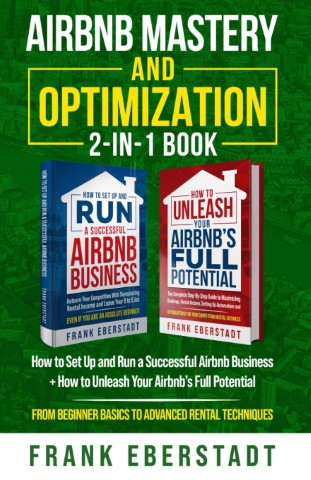
Airbnb Mastery and Optimization 2-In-1 Book: How to Set up and Run a Successful Airbnb Business + How to Unleash Your Airbnb's Full Potential
These are our handpicked books to help you level up in Real Estate.
View on Amazon
Turn Basic Rentals Into Furnished Units for Extra Cash
Offering furnished upgrades can unlock a new level of income, even with just a few smart pieces.
Read More
How to Build a Weekly Landlord Dashboard in 20 Minutes Without the Panic
Keep rent, maintenance, and tenant follow-up visible in one weekly dashboard so small landlords can act before tiny tasks become expensive problems.
Read More