

The Small Landlord Vacancy Checklist That Keeps Units Rentable Without Guessing

The Small Landlord Vacancy Checklist That Keeps Units Rentable Without Guessing
A practical vacancy routine helps small landlords prepare units, documents, and tenant conversations before the next move in date.
When a unit opens up, the first days decide whether the next tenant sees a clean opportunity or a confusing gap. Small landlords often lose time because the vacancy is treated as a single event instead of a short process. The goal is to make the unit ready, the paperwork ready, and the communication ready before the tenant arrives. A simple checklist can reduce last minute pressure and keep the lease from becoming a negotiation over missing details. It also helps the owner remember what matters most: a safe unit, clear terms, and a tenant who understands what to expect. This routine is not about speed alone. It is about reducing the chance that a good tenant walks away because the listing looked incomplete, the move in date was unclear, or the owner had to answer basic questions after the fact. A short list also protects the owner from forgetting small items that become big delays later.
Before the unit is listed, the owner should walk through the space and note what is working, what needs repair, and what needs a photo. This step is useful because it separates normal wear from items that may affect the tenant decision. A short list can include the front door, windows, smoke detectors, water pressure, lighting, and any visible damage. The owner should also check the common areas if the property has them. A tenant may not ask about a loose railing, but a clear photo and a short note can answer the question before it becomes a concern. This routine also helps the owner decide whether the unit is ready to rent or needs a small repair first. It keeps the listing honest and reduces the chance of a tenant discovering a problem after signing. A quick inventory also gives the owner a baseline for the move in inspection and makes the final deposit conversation easier.
The second part of the checklist is the document file. A tenant needs more than a listing. They need a lease, a move in form, a list of utilities, and a clear answer about what is included. Small landlords often keep these items in different places, which creates delays when the tenant is ready to sign. The owner should prepare a simple folder that can be sent by email or printed at the move in. The folder can include the lease, the deposit terms, the parking rules, the pet rules, and the contact list for repairs. It can include a short note about the first week, such as where the mail is, how the lock works, and who to call for a small issue. This does not need to be a long manual. It needs to be clear enough that the tenant can start the month without guessing. A prepared document file helps the owner answer questions.
The third part of the checklist is the tenant conversation. A listing can attract interest, but the move in process depends on clear answers. The owner should decide in advance how to answer questions, such as the move in time, the deposit method, the utility setup, and the first repair contact. A short message template can help, but it should not sound like a form letter. The tenant needs to know what to do next, who to call, and what will happen if a question is not answered right away. This helps the owner keep the same facts for every applicant. If one tenant asks about parking and another asks about the same topic, the answer should be the same. A clear answer reduces confusion and makes the owner look organized. It also gives the tenant a better chance to feel confident about the unit. The owner should not over promise. A simple answer is more useful.
The fourth part of the checklist is the move in day. The owner should prepare a short list of tasks that can be done before the tenant arrives. This can include checking the lock, testing the smoke detector, and confirming the water pressure. The owner should also decide what to do if the tenant arrives early or late. A short note can say that the owner will be available for a short time and that the tenant can take a photo of the unit before moving in. This helps both sides. The tenant can record the condition, and the owner can keep a record that matches the move in form. The owner should not rush the tenant through the unit. A calm move in gives the tenant a better first impression. It gives the owner a chance to answer questions. The move in day should feel like a clear hand off and keeps the first week simple.
The fifth part of the checklist is the first week after move in. The owner should send a short message that says the tenant can reach them for a small question and that the owner will answer within a reasonable time. This message should not be a long list of rules. It should be a simple note that gives the tenant a clear path. The owner should watch for early issues, such as a lock that sticks or a drain that moves slowly. A small issue in the first week is easier to fix than a small issue that becomes a habit. A short reply can say that the owner will look at it and will follow up. This keeps the tenant from feeling ignored. It gives the owner a chance to catch a bigger problem before it costs more. The first week is a chance to show that the unit is ready. It can help clearly.
The final part of the checklist is the owner habit. A vacancy is not only a unit. It is a set of tasks that need to be done in order. The owner should keep the same list for every move in, even when the property is different. The list can be short, but it should be complete. It should cover the unit, the documents, the tenant conversation, the move in day, and the first week. This habit helps the owner avoid the same mistakes. It also gives the tenant a better experience, which can lead to a smoother move in and a longer tenancy. The owner should not try to make the process perfect. The owner should make it clear, repeatable, and easy to follow. A small landlord can use a simple note, a photo, and a short message to keep the vacancy from becoming a source of stress. The goal is to add a little structure.
Continue at propertysea.app at https://propertysea.app/download.
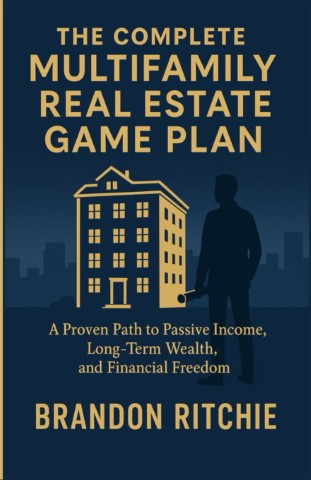
THE COMPLETE MULTIFAMILY REAL ESTATE INVESTING GAME PLAN: A Proven Path to Passive Income, Long-Term Wealth, And Financial Freedom Without Chasing Deals or Taking Big Risks
These are our handpicked books to help you level up in Real Estate.
View on Amazon
How To Make Extra Income From On-Site Laundry, Even With Just One Unit
Laundry machines are more than just a convenience. Here's how to turn them into a profitable side income in your rental.
Read More
The TikTok Landlord Era: How Social Media Is Changing Rentals (And How To Win In It)
Tenants are scrolling before they're calling. Here's how landlords can use social media to fill units faster, attract better renters, and still stay professional.
Read More