

The Move-In Inspection That Keeps Small Claims From Becoming Big Ones

The Move-In Inspection That Keeps Small Claims From Becoming Big Ones
A simple move-in inspection gives small landlords a clear record of unit condition and helps both sides avoid deposit disputes later.
A move-in inspection is one of the most practical tools a small landlord can use before a tenant ever calls about a scratch or a stain. It is not a formality. It is a shared record of what the unit looked like on the day the tenant took possession. When the tenant moves out, the same record becomes the starting point for comparing what was there before and what is there now. That comparison matters because deposit claims often begin with small details. A chipped cabinet door, a faded carpet patch, a loose outlet cover, or a water spot near a window can all become points of debate if they were not written down at the start. A clear inspection gives both sides a place to point to instead of relying on memory. It also gives the landlord a place to keep the record before the tenant moves in and before the first repair request.
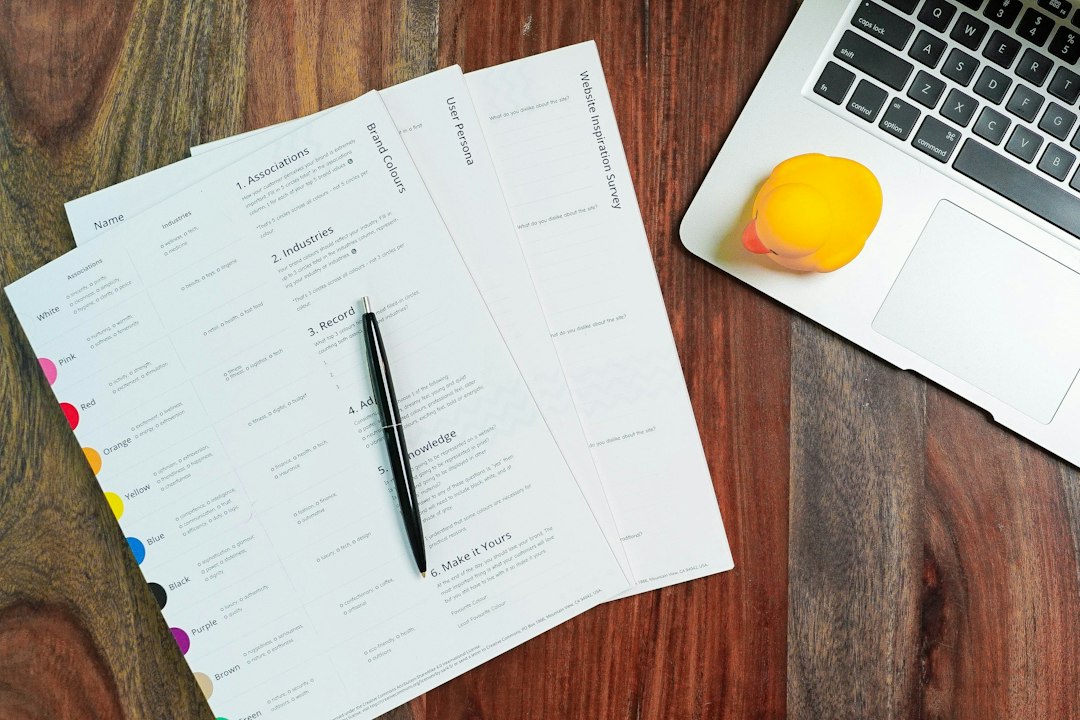
The best inspections are short enough to finish in one visit but detailed enough to cover the parts of the unit that usually create cost. Start with the exterior, then move through each room and note the condition of walls, floors, doors, windows, fixtures, appliances, and any built-in equipment. Use plain language. Write down what you see, not what you hope will happen. If a floor is worn near the kitchen, say that. If a cabinet door is already loose, say that. If a light fixture is older but working, say that. The goal is to create a neutral baseline. A tenant should be able to read the notes and understand that the landlord is not trying to hide small flaws. A landlord should be able to read the notes and understand that the tenant is not expected to fix every pre-existing condition. When both parties sign the same sheet, the inspection becomes a shared document rather than a one-sided list.
Photos are useful, but they need to be organized. A single folder with a clear name for each unit and a short list of the items in the folder makes the record easier to use later. Take photos of the full room, then take close-up photos of the items that need attention. A photo of a stain is more useful when it is placed next to the written note that describes the stain. If the unit has a garage, a storage area, or a shared outdoor space, include those spaces too. Small landlords often manage more than one unit, and a consistent photo method saves time when a tenant moves out. The inspection does not need to be perfect. It needs to be complete enough that both sides can answer the same question: what was already there? A simple naming rule, such as unit number plus move-in date, keeps the file from becoming a pile of loose images.
The inspection also helps with tenant communication. When a tenant later asks whether a repair is needed, the move-in record can answer a basic question: was the item already in that condition? This does not replace a repair decision. It only gives the landlord a clearer starting point. If a tenant reports a leak and the move-in note already describes a small water stain, the landlord can compare the new photo with the old one before deciding what to do. If the tenant reports a scratch and the move-in note says the floor was already worn, the conversation can stay focused on what changed. That kind of context reduces the chance that a small issue becomes a long email chain. It also helps the tenant feel that the landlord is not guessing. A short note to the tenant after the inspection can also set expectations: the record is for both sides, and it will be used at move-out.
The move-out inspection should use the same format. Do not create a new list with different categories. Use the same room order, the same item names, and the same photo method. That makes comparison easier and reduces the chance that one side claims the other changed the rules. At move-out, walk through the unit with the move-in record in front of you. Note what is new, what is unchanged, and what needs repair or cleaning. If a tenant has added a shelf, a rug, or a wall hook, note whether it was approved and whether it left marks. If a tenant has cleaned the unit, note that too. The move-out record should not be a judgment. It should be a comparison. When the two records are side by side, the landlord can see which items were already there and which items appeared during the tenancy. That distinction is the heart of a fair deposit conversation.
A common mistake is to treat the inspection as a landlord-only document. That can create a problem later. If the tenant did not sign the move-in record, or if the tenant did not receive a copy, the tenant may say the record was not part of the move-in process. A simple habit fixes that. Give the tenant a copy at move-in and ask the tenant to add any notes that were missed. If the tenant wants to add a photo, let the tenant do it. If the tenant wants to write a short note about a condition that the landlord did not notice, let the tenant do it. The record becomes stronger when both sides can add to it. It also becomes easier to explain. The tenant is not being told what to see. The tenant is being given a chance to confirm what was already there. This is especially useful when a tenant has a different view of what counts as normal wear.
The final recommendation is simple: make the move-in inspection a standard part of every tenancy. Use the same form, the same photo method, and the same storage location. Do not skip it because the unit looks clean. Do not skip it because the tenant seems careful. Do not skip it because the lease is short. A clean unit can still have small issues that become larger later. A careful tenant can still create new damage. A short lease can still end with a deposit question. The inspection is not a way to control the tenant. It is a way to keep the record clear. It does not replace local law, but it gives both sides a clear starting point. When both sides know what was there at the start, the move-out conversation has a better chance of staying practical. For small landlords, that clarity is one of the most useful tools in the whole property management process. A short, consistent record can also make the next move-in easier, because the landlord already knows what the unit needs.
Continue at propertysea.app at https://propertysea.app/download.

Living the High Life: How Smart Co-op and Condo Owners Protect Themselves and Their Investment
These are our handpicked books to help you level up in Real Estate.
View on Amazon
Why Payment History Is One of Your Strongest Landlord Records
Treat payment history as a leadership tool. It helps you stay fair, track cash flow, and handle renewals with clear, data-backed conversations.
Read More
🚀 How To Build a Tenant Waiting List BEFORE You Even Have a Vacancy!
Imagine your rental filling itself the second it's empty. Here's how small landlords can build unstoppable tenant waitlists!
Read More