

Tenant-friendly rent payments after the 2026 ACH rules: a calm setup for small landlords


Tenant-friendly rent payments after the 2026 ACH rules: a calm setup for small landlords
Most small landlords remember one thing about rent day: it should be simple until it is not.
Tenant-friendly rent payments after the 2026 ACH rules: a calm setup for small landlords
Most small landlords remember one thing about rent day: it should be simple until it is not. A tenant calls at 8:42 p.m., says their bank is acting up, and suddenly your evening turns into a mini help desk with legal, accounting, and relationship risk all wrapped together. You can either answer that call with improvisation, or you can use a predictable payment flow that keeps people calm and still protects your money.
I used to think a payment system was just a bank link and a reminder template. Then I spoke to a property owner who spent 3 hours on one rent confusion because the same tenant message bounced between rent method changed, payment already on the way, and fee disputes. The fix was not a bigger inbox, and not another app. The fix was a better sequence.
A simple rule before tools: every payment is a conversation with three outcomes
When you start any change, begin with three buckets:
- Settled: money is confirmed and your record matches the ledger.
- Pending: payment is in progress and you need a clear follow-up date.
- Needs support: tenant has a blocker, and a human needs to help.
Everything your automation does after that should support one of these outcomes. If a message or action does not lead to one of these buckets, it is just noise.
What changed in 2026 that actually matters for you
ACH risk-control expectations became broader and more practical for operators. For small portfolios, this usually means a few things happen:
- Payments need clearer source trails and quicker review.
- Disputes need a quicker first response path.
- Late notices and reminders need a predictable tone, even when the issue is repeat.
In plain language: your system should make it easier to spot what is healthy and safer to act on, not just automatically send messages. A machine can draft the message quickly. A person decides what tone to use when money is late for week two.
"Speed is useful only if the landlord still keeps control of the decision."
Step 1: set your payment windows with room for mistakes
Most late-payment stress starts because owners set one hard date and zero grace conversation. Try this structure instead:
- Primary due date: the day payment is expected.
- Early warning date: one or two days before due date, with a friendly reminder.
- Support date: a short window after due date for a human check-in.
Your first reminders should sound practical, not punitive. For example: "Just a quick nudge, your rent is due Friday. If anything changed, reply here and I will help you move it to our temporary support flow." That sentence gives information, and a path.
Small scenario: a delayed payer
Sam rents one studio and posts on Friday because payroll is delayed. Your normal template can say: "I see your payment is delayed. No action needed yet; please reply with the transfer date, and I will adjust follow-up timing." If Sam has a clean history, you avoid the pressure spiral. If Sam misses the support date, you move the case to the second follow-up template automatically.
Step 2: separate data capture from communication
Use your workflow tool like a filing cabinet:
- Tenant name, unit, and lease ID.
- Expected amount and due date.
- Payment method and transaction reference when known.
- Last outcome from your support conversation.
When this structure exists, every reminder has exact context. You stop writing the same facts over and over in different messages and still keep it human-friendly.
Step 3: choose what AI writes and what you must approve
AI is excellent for first drafts and status checks, but owners should keep final control of escalation language. A good split:
- Let AI draft reminder text, summary notes, and payment status updates.
- Keep human approval for any message that changes payment dates, adds fees, or mentions legal action.
This sounds slow at first. It is not. It is simply putting a person at the points where tone and judgment matter. You still get time savings because no one is hand-writing every routine update.
Step 4: publish your own "rent check" routine once a week
A short five-day review loop keeps a lot of confusion from turning into recurring tasks:
- Monday: review any pending payments older than three days.
- Wednesday: confirm at least one clear follow-up landed with each active late payer.
- Friday: mark each case as settled, pending, or needs support and note the reason.
If your case count is rising, the issue is likely not the tenant. It is your process: maybe notices are too late, your method details are unclear, or your system is creating duplicate messages.
Practical PropertySea setup for this workflow
PropertySea owners get the most value from this by making one simple dashboard rule: one rent status row per unit with the latest communication timestamp. If you can see "Last update", "Next action", and "Owner approval needed" at a glance, you can move from panic to clarity in under a minute.
That layout also helps in disputes. When a tenant asks, "Did I already pay?" you can answer with one short thread of facts instead of digging through notes for four hours.
Don't make payment communication a maze
A few habits keep the whole process human:
- Keep payment method language plain: "bank transfer", "card", "auto-pay window".
- State next steps in one sentence before every message.
- Document every exception, even small ones, in one place.
- Never send one-way updates on late cases without a place to reply.
If this sounds like work, it is. But it is also the same work your brain does on day two when everything is late. The difference is now it is repeatable, and repeatable is cheaper than heroic.
Quick final check: what a clean setup looks like
By the time the first month is done, you should notice three differences:
- Fewer back-and-forth messages because templates are clearer.
- Faster settlement for delayed payments because everyone knows the expected action.
- Fewer emotional escalations because your tone stays consistent, even in awkward moments.
Your goal is not perfect automation. It is a calmer portfolio. Build the structure once, keep your approvals where judgment is needed, and let your landlord instincts focus on people while your system handles the repetition.
If you want to put the idea into a real rental workflow, you can download PropertySea and try it with your own process.
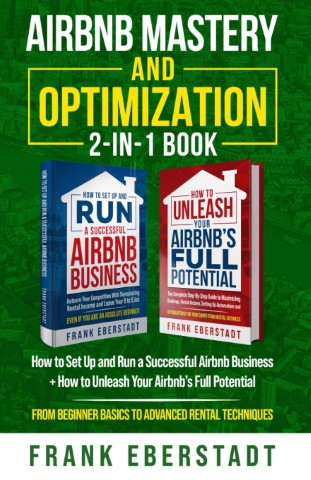
Airbnb Mastery and Optimization 2-In-1 Book: How to Set up and Run a Successful Airbnb Business + How to Unleash Your Airbnb's Full Potential
These are our handpicked books to help you level up in Real Estate.
View on Amazon
How To Collect Tenant Feedback That Actually Improves Your Rentals
Tenant feedback isn't just a courtesy, it's a secret weapon for retention. Here's how to ask better and act faster.
Read More
📈 How To Raise Rent The SMART Way (Without Scaring Away Your Best Tenants!)
Raising rent doesn't have to mean losing great tenants. Here's how to do it strategically, and keep everyone happy!
Read More