

The Repair Access Window Small Landlords Should Set Before a Tenant Lets a Vendor In

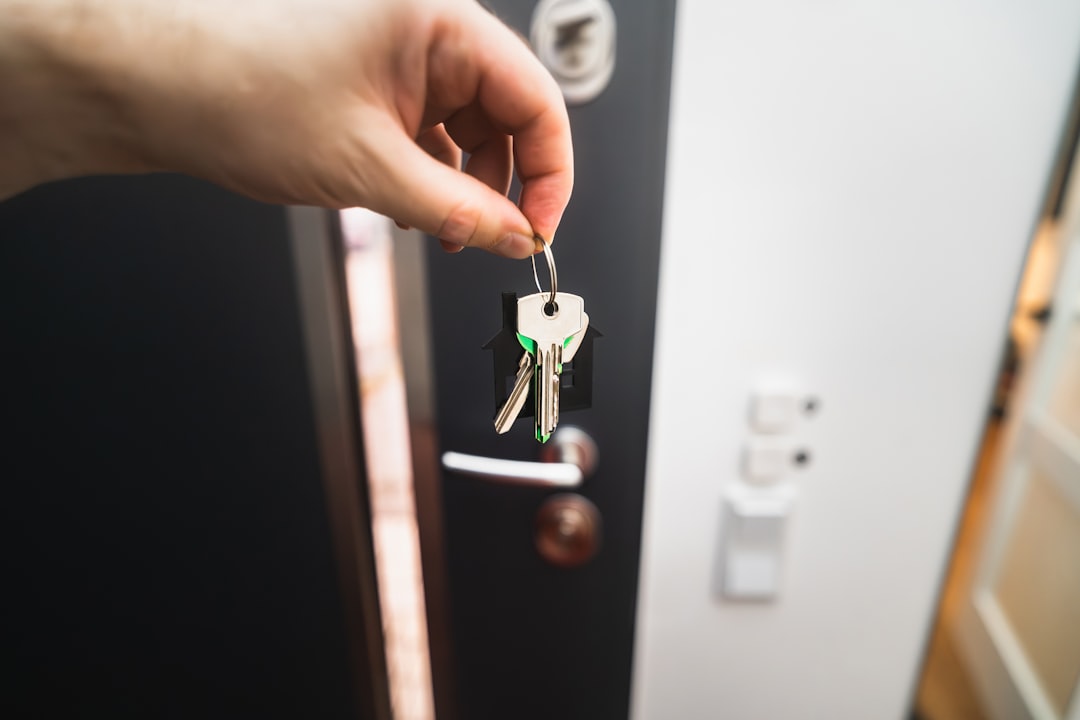
The Repair Access Window Small Landlords Should Set Before a Tenant Lets a Vendor In
Vendor access can turn a small repair into a long group chat unless the landlord sets the time window, contact plan, and closeout notes first.
The easiest repair to schedule is the imaginary one. The vendor arrives right on time, the tenant is home, the dog is not offended, the key works, the leaky part politely identifies itself, and everyone is done before lunch. Beautiful. Also, suspicious.
Real rental repairs usually have more tiny moving parts. A tenant can only be home before work. The plumber gives a four-hour window that sounds less like a window and more like a weather system. The vendor needs a gate code. The tenant wants to know whether they should move the laundry basket from the bathroom. You are trying to keep the repair moving without turning into a human switchboard with keys.
That is why a repair access window deserves its own short plan. It is not a legal trick, and it is not advice about entry rules. Local laws, lease terms, and emergency rules matter, so check those before you set any access process. This is a practical operating habit for small landlords: before anyone goes to the property, decide who is allowed in, when they are expected, how the tenant will hear updates, and what proof closes the repair when the vendor leaves.
Start with the repair, not the calendar
Small landlords often jump straight to scheduling because the calendar feels like the urgent thing. That makes sense when water is dripping into a bucket and the tenant is sending photos every 12 minutes. Still, the first question should be what kind of access the repair actually needs.
A dripping supply line under the sink may need the tenant to clear the cabinet, keep a pet out of the room, and be available for one visit. A mystery electrical issue may need panel access, a second visit, and permission to test outlets in more than one room. A broken appliance may need a model number, photos, a clear path through the kitchen, and a decision about repair versus replacement after diagnosis.
When you define the repair first, the access window gets calmer. Instead of saying, "The vendor may come Thursday," you can say, "The plumber is coming Thursday between 9 and 12 to inspect the bathroom sink leak. Please clear the items under the sink and keep the bathroom accessible. I will message you if the window changes." That is still a normal human message, but it removes three chances for confusion.
The three details tenants need up front
Most access headaches come from missing details, not bad intentions. Tenants are trying to plan work calls, pets, kids, sleep, and all the other normal life stuff that does not pause because a garbage disposal has opinions. A useful access message gives them enough information to cooperate without feeling like they have to manage the vendor for you.
First, name the visit window in plain language. If the vendor gives you 10 a.m. to 2 p.m., say that. If it is only an arrival window and the work may take longer, say that too. Nobody loves a giant window, but people handle it better when the rules are honest.
Second, explain what the tenant should do before the visit. That might be clearing a cabinet, securing a pet, moving a car from the driveway, leaving the utility closet unlocked, or sending one extra photo. Keep this short. If your message looks like a pre-flight checklist for a small aircraft, everyone will pretend they read it and then nobody will.
Third, tell the tenant how updates will work. Will you text if the vendor is running late? Should the vendor call the tenant directly? Should all communication stay in your landlord thread? Decide that before the visit. A repair can get weird fast when the tenant, landlord, vendor, and vendor dispatcher are all sending partial updates in separate places.
Give vendors a simple access packet
The tenant is not the only person who needs clarity. Vendors need a boring little access packet too. Boring is good here. Boring means the technician is not standing outside calling you while you are in line at the grocery store, holding frozen peas and reconsidering your life choices.
A useful packet can be very short: property address, tenant contact rules, parking notes, gate or lockbox details if appropriate, the reported problem, photos, appliance model information if available, and the closeout proof you expect. If the tenant should not be contacted directly, say that clearly. If the vendor may coordinate arrival with the tenant, say that clearly too.
Closeout proof matters because "all set" can mean five different things. It might mean the vendor completed the repair, diagnosed the issue and needs a part, found tenant-caused damage, found owner-responsible wear, or could not access the unit. Ask for a short note and a photo when practical. You are not building a courtroom exhibit. You are building a record that future you can understand after three more repairs and one very loud Tuesday.
A quick example
Imagine a tenant reports that the dishwasher is leaking from the front corner. You receive one photo of a towel on the floor, which is basically the official flag of appliance distress. Before scheduling, ask for the model photo if it is easy to get and whether the leak happens during every cycle or only at the end. Then send the tenant a short access note: "Appliance repair is scheduled for Friday between 1 and 4. Please clear the area under the sink and keep the kitchen accessible. If the technician is delayed, I will update this thread. After the visit, I will send you the next step."
Now send the vendor the same facts, plus the model photo, leak description, parking note, and closeout request. If the technician finds a bad door gasket and can replace it, great. If they need to order a part, you already have a record of what happened and what the tenant was told. If they cannot get in because the tenant forgot, you have the access window and message history in one place before deciding what to do next under your lease and local rules.
Keep the record in one place
The repair itself may be physical, but the confusion is usually digital. One text has the photo. One email has the vendor invoice. One call has the actual update. Two days later, someone asks whether the vendor ever came, and now you are searching your phone like it owes you money.
This is where a property management routine helps. Put the access window, tenant message, vendor note, photos, and closeout result with the repair task. PropertySea is built for small landlords who need those ordinary details to stay attached to the right rental instead of floating around in a text swamp. If you want a cleaner way to track maintenance and tenant communication, you can download PropertySea and keep the repair trail closer to the work.
The small access recap
Before the next non-emergency repair visit, run this quick check:
- What room, fixture, appliance, or system does the vendor need to access?
- What does the tenant need to move, unlock, secure, or photograph before the visit?
- Who sends delay updates, and where should those updates live?
- What note or photo should close the repair after the vendor leaves?
That little bit of structure will not make every repair pleasant. Some repairs are born dramatic and intend to stay that way. But a clear access window can keep a loose doorknob from becoming six texts, two missed calls, one confused contractor, and a tenant wondering whether anyone is actually in charge. For small landlords, that is a pretty good trade.
If you want to put the idea into a real rental workflow, you can download PropertySea and try it with your own process.

Profitable Properties: Airbnb Insider Secrets to Find, Optimize, Price, & Book Direct any Short-Term Rental Investment for Year-Round Occupancy
These are our handpicked books to help you level up in Real Estate.
View on Amazon
2025 Rental Market Trends Landlords Need to Know to Stay Ahead
From rent forecasts to tenant expectations, here's the sweeping changes coming in 2025, and how property owners can adapt and thrive.
Read More
How AI Can Tame Maintenance Chaos for a Small Portfolio
Last month, one of my landlord friends texted me at 8:17 PM: "My kitchen faucet is dripping," and when he finally got the right response from the tenant, it had been two hours and six unanswered notifications.
Read More