

The Quiet Ledger: Keeping Advance Rent and Deposits Organized Without Extra Admin


The Quiet Ledger: Keeping Advance Rent and Deposits Organized Without Extra Admin
Before tax season, your rent and deposit records should be clear enough to answer tenant questions, repair credits, and reporting deadlines without panic. This guide shows how to keep a small landlord cash flow plan practical during busy weeks and lease turns.
At 8:35 p.m. on a Tuesday, one tenant asks for the security deposit ledger from last month, another asks about an advance payment credit, and the third sends a late notice before a move-in date. You are not failing at communication. You are running a normal workload with one part-time team of you.
The way out of this is not a bigger spreadsheet on its own. It is a clean distinction between advance rent and deposits, plus one repeatable way to file each payment type the same way across every property. Once that structure is in place, your job is still busy, but it becomes less fragile.
Why landlords lose time on deposits and advance rent
Advance rent is usually money paid before occupancy terms begin. Security deposits are money held for specific potential damages or unpaid charges. The two are often mixed in memory because both involve cash moving in early. That is where future arguments begin. If you later need to explain a charge, you do not want to sort a thread of messages and guesswork.
The safer approach is to treat three buckets as separate from day one:
- Income bucket: rent and charges that can become revenue or late payment adjustments.
- Holding bucket: deposits that must be tracked and protected for eventual return conditions.
- Pre-authorized bucket: advance charges tied to a signed addendum or written lease clause, with a clear purpose date.
This is not legal advice; it is practical naming. The benefit is simple: if a tenant asks a question, you can answer with the right ledger entry in seconds.
The 10-minute rent intake routine
Most cash flow chaos starts before move-in and compounds during season peaks. A one-time deposit check plus two simple notes at intake can save days later.
Use a one-screen workflow for each new payment:
- Log the payment source, amount, and intended purpose exactly as written by the tenant.
- Take a photo of payment confirmation and attach it to the same record.
- Post a short human note for context: who asked, what changed, and what will be refunded or reclassifying later.
If a tenant sends a cash or transfer with unclear purpose, pause and confirm it before posting. A short note can prevent a later claim that the payment meant one thing at transfer time and another at collection time.
One-page source-of-truth for every unit
For each unit, keep a single plain-English page that shows where money started and where it should end:
Example: Unit 4B receives $1,700 for July rent, $300 advance for August due to a delayed utility setup, and $900 deposit. You record the exact entry, date, category, and intended use. If repair work later eats into a deposit, that line item is not a hidden afterthought.
When a tenant asks, you can answer from this one source-of-truth page, even on a busy evening. If your manager asks for month-end statements, this is also where your numbers line up quickly.
Move-in and move-out checkpoint list that does not become a script
Instead of writing a long policy each time, use one repeatable checklist with a short note section:
- Move-in: list initial advance rent and deposit balances, attach inventory photos, and record agreed deductions.
- Mid-lease check: review any reclassifications in one note, especially repairs paid from tenant deposits.
- Move-out: compute what came back, what stayed, and why each retained amount exists.
Keep the note text in full sentences, not codes only. Phrases like "repair due" without dates, invoice, and tenant response are not records. They are placeholders. A replacement letter written from placeholders becomes weak fast.
Tenant communication that protects relationships, only records
Money entries are legal and financial, yes, but they are also social. Most disputes are about surprise and tone before they become accounting disputes. Send short updates early when balances look different from the lease summary.
A useful style is: what changed, why it changed, and what the next action is. For example, instead of sending a long late fee threat, send a message that says the expected date of remaining amount, the reason it was not posted as deposit return, and what proof you have on file. That gives the tenant a path to fix an issue and gives you a cleaner trail.
Year-end wrap: the three numbers you want ready
When tax season arrives, your calm score depends on three prepared points:
- Which amounts were true rent income and which were holding amounts.
- What was returned to each tenant and on what date.
- Any unpaid balances and the timeline used to document collection attempts.
Small landlords often discover these late. That is when the tax timeline and the communication timeline collide. You might feel rushed, but a stable structure lets you stay professional and still move fast.
Tax and legal guardrails to respect
For safety, stay close to three habits every month. Check what your lease says first, then log every deposit adjustment with a date and receipt. Keep written records for any return decision. If your state has unique timing rules, add a legal reminder. If a question seems more than a documentation choice, ask a tax or legal professional for case-specific guidance.
These habits do not need fancy software to start. They need consistent timing. You can begin with email folders and a simple app today, then improve the workflow later.
If you use PropertySea, you already have the foundation for the same flow. You can connect tenant payments, notes, and move-in files in one place and reduce the daily scramble that comes with mixed records. You can download PropertySea to test the setup and avoid this process becoming another late-night spreadsheet.
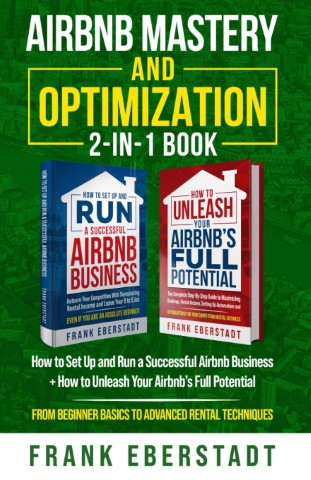
Airbnb Mastery and Optimization 2-In-1 Book: How to Set up and Run a Successful Airbnb Business + How to Unleash Your Airbnb's Full Potential
These are our handpicked books to help you level up in Real Estate.
View on Amazon
🙌 How To Outsource Property Management (Without Losing Control Or Bleeding Cash)
Want more freedom without the stress? Here's how to outsource your rental management smartly, and still keep maximum profits!
Read More
💡 How To Get Tenants To *Happily* Pay for Property Upgrades!
Want nicer properties without paying out of pocket? Here's how to structure deals where tenants cover the upgrades, and love it!
Read More