

The Post-Showing Follow-Up Note That Helps Prospects Decide

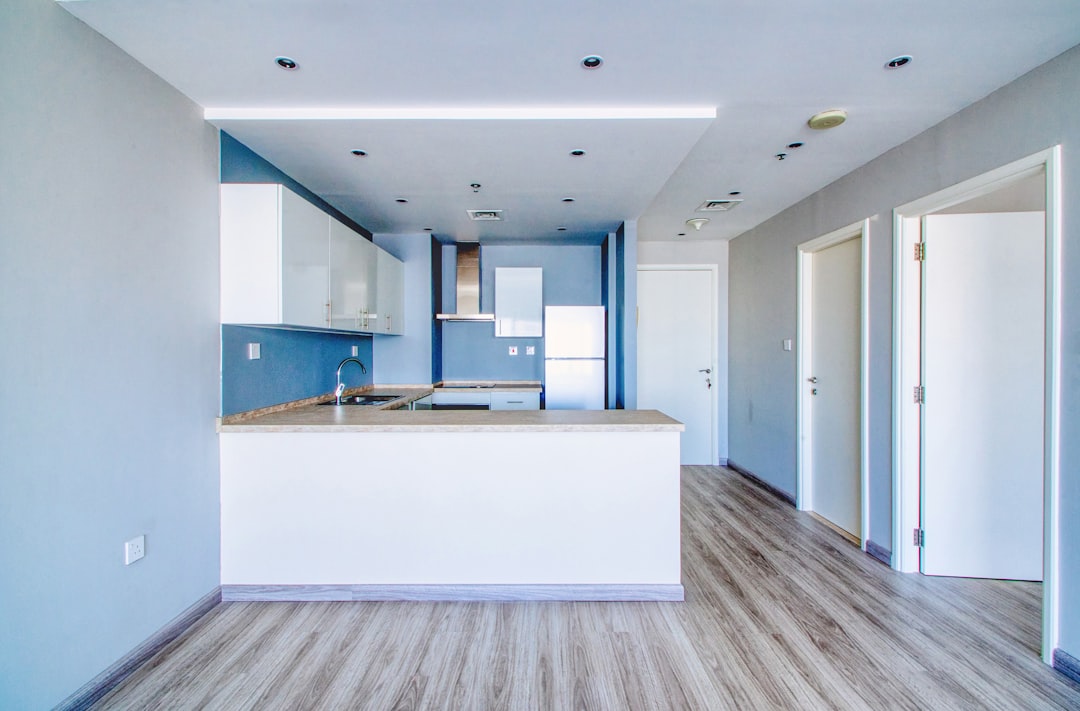
The Post-Showing Follow-Up Note That Helps Prospects Decide
Your post-showing follow-up can clear the guesswork that causes renters to disappear, answer smartly, and keep good prospects moving toward a lease.
Your first response after a showing can be the quiet moment where a lead either commits or disappears.
Prospects often wait for this signal: "Do I trust this landlord to be clear and timely?" If you do not answer that question with plain details, they will usually move on to the unit with the clearest communication, not necessarily the best features.
Here is the pattern that works better than a long explanation: keep your note short, useful, and honest. A strong follow-up is not a soft sales pitch. It is your chance to make the rental feel real, not theoretical.
The follow-up gap that costs renters
Most small landlords lose interest right after a tour, not before it. The prospect already has the photos, the location, and a rough idea of rent. What they do not yet have is confidence. Did you really see the same small things they saw? Are repairs being tracked? Are you likely to answer a question today or in a week?
That doubt does not grow from one thing. It grows from silence.
When you wait too long, the same person who smiled at the unit is now comparing your place to five other options. Silence creates a bad story: maybe you are too busy, maybe you are hiding something, maybe this is not a managed unit. All three are unfair, but all three can become true in their head if you do nothing.
A ten-minute follow-up rhythm
The first two hours after the showing are your strongest window. Send a note that does three specific things.
First, confirm what happened. In one sentence, restate the showing date, time, and one detail they mentioned. This lets the prospect feel listened to.
Second, answer one practical need. If they asked about parking, pets, floor noise, or laundry, mention it plainly with what you know and what you still need to check.
Third, offer one clear next step. Keep it human and time-bound: either a walk-through answer, a second tour window, or a decision checkpoint.
That is all. You are not writing a manifesto. You are helping them move without guessing.
Use this message formula
Use it exactly when the prospect was polite and still interested but did not commit.
What I saw: Thanks for touring 214 North Willow this morning. I like that you checked the kitchen layout and noted the parking access.
What is clear today: The unit has parking, a quiet entry hallway, and no open repair tickets right now. The only small item on my list is a hallway light in that stairwell, and I can replace it by tomorrow morning.
What is next: If that works for you, I can hold the 7:00 p.m. showing Thursday, and I will send the exact unit details in the same thread.
Try this. It is usually enough to move from uncertainty to action.
What not to include
Skip fluff that sounds robotic or vague.
Do not write:
- Any phrase that sounds like a sales slogan.
- Any request that pushes for an answer by a hard deadline you invented.
- Any detail you have not verified, like utility cost, repair cost, or lease terms.
Use real details only. If you do not know an answer, say so and offer when you will know. Most renters respect honesty more than instant certainty.
Reply windows without pressure
Not every landlord writes at the same tempo. Weekday mornings tend to bring practical questions. Evenings can bring emotionally charged replies like "I need to think." That is your cue to stay calm and clear.
If they reply later than two days, send one calm nudge and stop there. More nudges can feel like pressure. One nudge can look like good follow-through.
A good cadence is:
- Initial follow-up within 30 to 60 minutes.
- One concise answer within 24 hours if they asked for information.
- One optional check-in exactly three days later if they have not answered.
That is enough for almost any lead and keeps your process efficient.
Common mistakes from small landlords
Many owners send a long note full of every detail they can remember. The longer the note, the less they read. This is not because tenants are lazy. It is because they have many open tabs and several decisions with families, jobs, and moves competing for attention.
Another common error is answering legal-style concerns in a legal style. Keep everything to practical language. If the concern is a maintenance request, say what you will check and when. If the concern is policy, state it plainly. If the concern is noise, give the specific unit rule and who to call.
If you are unsure, ask one short question and offer a direct next step.
For example: Do you want me to include nearby commute details and a short neighborhood parking map in your next note? That is clear, helpful, and easy to respond to.
One practical place to keep this together
Most breakdowns happen in memory, not in effort. The same owner may have five messages at once: one tour, one repair question, one credit inquiry, one screening update, one pet discussion. Then notes are buried in old chats and half remembered texts.
That is where a single follow-up workflow helps. Keep the date, prospect, issues, and planned next step in one place. If you have not built a process yet, download PropertySea to keep your notes and responses in one place and reduce repeat questions across tours.
Two short sample notes you can reuse
Sample A for an engaged lead: Thanks for checking out the unit. You raised a good point about the parking spot and noise. The parking permit details are confirmed, and I will send the exact street rule window before 5:00 p.m. today. If you want to move ahead, I can hold this unit until Friday evening.
Sample B for a hesitant lead: Thanks for looking at the unit. You raised a good point about washer noise. I checked the model and can verify service history before Friday morning. If you want, I can keep your place in the next slot and share two available showing times.
Finish with one clear ask
Your goal is not to close every lead in one reply. It is to keep good leads in the conversation without stress and without overpromising. A clean follow-up note signals this. It says, "I am organized, I am honest, and I will follow through." That alone is often enough.
At the end of each day, review your pending follow-ups and remove the ones you do not care to pursue. Politeness plus clarity is stronger than volume plus chaos.
Bottom line
If your unit is strong, your communication should be stronger. A short, clear follow-up after a showing can do that job better than a discount text. It gives your listing a fair signal and gives renters confidence at the stage where they are deciding between many options.
If you want to put the idea into a real rental workflow, you can download PropertySea and try it with your own process.
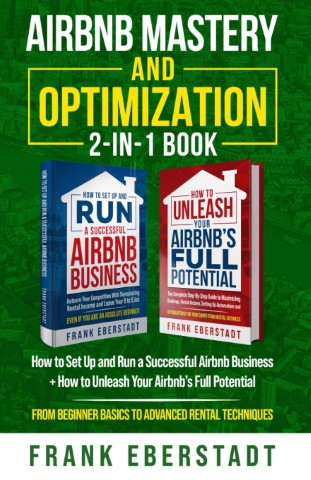
Airbnb Mastery and Optimization 2-In-1 Book: How to Set up and Run a Successful Airbnb Business + How to Unleash Your Airbnb's Full Potential
These are our handpicked books to help you level up in Real Estate.
View on Amazon
A Monthly Expense Cleanup That Keeps Budget Surprises Away
A Monthly Expense Cleanup That Keeps Budget Surprises Away. A practical, easy-to-follow plan for small landlords who want less admin and more predictable results.
Read More
Viral Rental Listing Makeover: Turn A "Meh" Unit Into A Must-See Online
Most rentals die in the scroll. Here's how to rework your photos, copy, and strategy so your listing stands out and attracts better tenants, faster.
Read More