

How to Keep Rent Collection Human-First Without Drowning in Admin


How to Keep Rent Collection Human-First Without Drowning in Admin
A practical playbook for small landlords to use AI for reminders, tracking, and follow-ups while keeping each tenant conversation respectful and human.
Picture this: it is the 18th of the month, and your rent calendar looks like a war zone. One tenant is late, another says the bank transfer bounced, and your phone has three open tabs titled \"urgent.\" You can see the anxiety coming before the rent comes in.
That is the hard part of being a small landlord. You are not just managing square footage. You are managing money, messages, trust, and your own sleep. If a process gets messy, everyone feels it, especially you.
AI helps when it is clear about its job. AI gets expensive quickly when it tries to be your entire relationship policy. So the first rule is simple: let AI do the repetitive parts, and let you keep the human calls.
How to Keep Rent Collection Human-First Without Drowning in Admin
Start with one promise your policy can repeat
The best rent collection systems do not begin with software settings. They begin with a promise you can repeat on day one of every lease. For example:
\"We are clear, calm, and fair in reminders, and we document every promise the same way.\"
That sentence sounds almost too basic, but it changes outcomes. When tenants already know your tone and process, your messages feel predictable instead of punitive.
If your promises are clear, reminders become routine instead of emotional reactions. You can then add AI to that routine and still stay consistent.
Give AI a narrow job description
Think of AI as your office helper, not a debt collector. A good helper can send reminders on a schedule, flag overdue accounts for your review, and build a tidy timeline of promises and payment notes. That is all. It should not decide consequences, make legal claims, or guess intent.
Nobody wants an automated system that assumes a late payment means \"bad tenant\" without context. Let people have the first explanation. The assistant collects and sorts facts, while you do the judgment.
Use a simple four-part workflow
If your workflow has too many branches, you will skip steps when you are stressed. Keep it small and repeatable. You can build this in less than a day.
Part 1: Before the due date
Prepare one reminder rhythm and keep it steady:
- day before rent due: friendly reminder with total due and accepted payment options
- due day: short nudge, no threats
- 48 hours after due: one practical follow-up with support options
One rhythm for all tenants beats custom chaos for everyone. People can plan against it, and your future self appreciates the predictability.
Part 2: One to three days overdue
Now is where AI can do a lot of the chasing, but your message should stay human. Good AI-generated follow-ups ask one thing: a clear expected payment date.
If there is a banking issue or a documented hardship, escalate the tone to helpful rather than accusatory. A missed rent payment is often a problem of cash timing, not commitment.
A short sample message works well:
\"Hi {name}, I wanted to flag that your rent is not showing yet. If a banking error is involved, reply with the expected payment date and I can note a temporary plan.\"
Short, specific, and fair beats every long paragraph.
Part 3: Four to seven days overdue
Use AI summaries to decide if this is a one-off or pattern risk. A recurring late payer may need a different follow-up sequence than a tenant with a single payroll delay.
For one-off delays, offer one practical payment path. For repeated delay, set a clear written plan with date and amount. If a tenant is suddenly silent, your rule should move to a phone call or in-person follow-up where allowed.
Keep each step short. A person reading a long paragraph at midnight will not behave better because your paragraph is poetic.
Part 4: Seven days and beyond
When rent is still unpaid, reduce automation and increase personal attention. AI can keep records updated and produce a clean payment history, but the final message should come from a person.
Humans need to make the hard part human: asking for a direct plan, confirming consequences, and offering support where legitimate. That is the line between collection and escalation.
One mini story to make this real
Linda owns three duplexes and once spent forty-five minutes rewriting a single late payment message into a tone she later called \"legal prose.\" After switching to a fixed template, she changed two things. First, she let AI generate only dates and payment status updates. Second, she rewrote all late notices in plain English with one request: \"When can you pay, and how?\"
Within two cycles she said she felt less like a courtroom clerk and more like a manager again. Not magic. Just less noise.
Keep communication tone on purpose
A lot of collection mistakes are not legal mistakes. They are tone mistakes. You can say the right terms and still feel hostile to the reader. Ask one question per message, avoid theater language, and keep consistent phrasing for similar situations.
Consistency creates fairness. Fairness creates cooperation. Cooperation creates fewer late-night \"chasing\" calls.
Use numbers for planning, not panic
Rent delay management is emotional until you count your cash flow windows. AI is very good at arithmetic, especially if your costs include mortgage carry, vacancy buffer, and repair reserves. Use one weekly review to update this set: how many became late, how many paid partially, how many promised, and how many kept that promise.
If your costs are up, one late payment matters more. That can affect how often you send follow-ups and how strict your grace timing is. The goal is not to collect faster at any cost. It is to collect predictably without burning future relationships.
Make it feel calm, not robotic
A landlord workflow that feels calm is easier to execute. Add two safeguards. First, no auto-send loops: if a tenant is already engaged, pause repetitive notices and move to a direct check-in. Second, keep a weekly cleanup pass and retire old templates that are mean, repetitive, or unclear.
Good systems are boring in a good way. They are not exciting. They do fewer dramatic things and produce better results because they are easier to follow under pressure.
Final practical recap
Try this next week:
- Write your one-line human promise and pin it where messages are drafted.
- Set a three-touch reminder rhythm and keep it the same for everyone.
- Let AI summarize status, then review each case before escalation.
- Track promises weekly and adjust pace only when the pattern is clear.
If this helps, you just reduced chaos. That is the hidden win of \"human-first\" collection. The result is not just better payments. It is better nights, less resentment, and fewer surprises when you need your building energy for real property work.
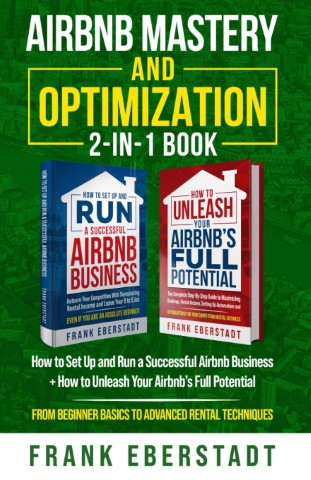
Airbnb Mastery and Optimization 2-In-1 Book: How to Set up and Run a Successful Airbnb Business + How to Unleash Your Airbnb's Full Potential
These are our handpicked books to help you level up in Real Estate.
View on Amazon
How To Stage Your Rental For MAX Profit (Without Hiring Expensive Designers!)
Want to charge more rent and rent faster? Here's how to stage your rental like a pro - on a budget!
Read More
Move-In Checklists That Prevent Disputes Before They Start
Use a practical move-in checklist flow that prevents misunderstandings, protects your deposits, and keeps first impressions calm for both owner and tenant.
Read More